Artificial Intelligence has transformed the way we live, work, and communicate. From smart assistants to personalized recommendations, AI is everywhere. One of the most fascinating and rapidly evolving fields is AI Voice Cloning—the technology that enables machines to replicate human voices with astonishing accuracy.
But what exactly is voice cloning, how does it work, and what are its real-world implications? Let’s dive into this exciting innovation and explore how it’s shaping industries, improving experiences, and raising important ethical questions.
What Is AI Voice Cloning?
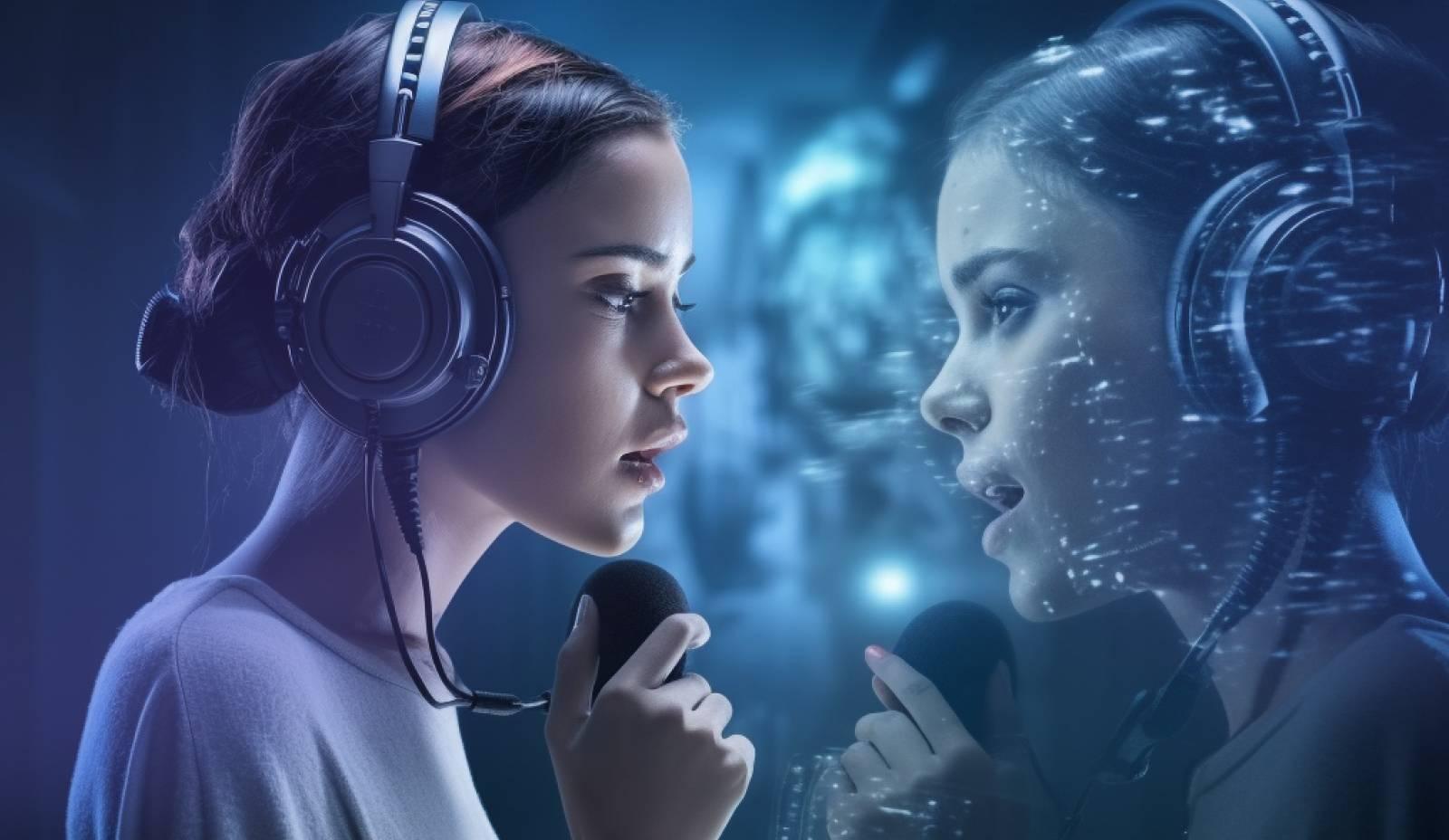
At its core, AI Voice Cloning is the process of using machine learning algorithms to mimic the sound, tone, and speech patterns of a human voice. Unlike traditional text-to-speech (TTS) systems that sound robotic, modern voice cloning can produce lifelike voices that are almost indistinguishable from real ones.
Advanced tools like AI Voice Cloning use deep neural networks to analyze speech data, break down its unique features, and recreate them with uncanny precision. The result? A virtual copy of someone’s voice that can read scripts, answer questions, or even hold conversations.
How Does Voice Cloning Work?
Voice cloning relies on several advanced AI techniques:
Some cutting-edge platforms can clone a voice with just a few seconds of audio, making the process faster and more accessible than ever before.
Real-World Applications of AI Voice Cloning
The potential of voice cloning extends far beyond novelty. Here are some powerful ways it’s being used today:
1. Entertainment and Media
Imagine a favorite actor narrating an audiobook—even if they never recorded it themselves. Voice cloning allows content creators to replicate celebrity voices, revive historical figures, or localize movies and games with authentic-sounding dialogue.
2. Customer Support
Brands are adopting cloned voices for automated assistants. Instead of a generic robotic tone, companies can use familiar voices to build trust and make customer interactions more engaging.
3. Accessibility
For people with speech impairments or degenerative conditions, voice cloning offers a life-changing opportunity. Patients can preserve their natural voice digitally and continue to "speak" through devices that sound just like them.
4. Education and Training
Educators can use cloned voices to create personalized e-learning materials. A teacher’s familiar voice can guide students through lessons, making online learning feel more human.
5. Marketing and Branding
Just like logos and colors define a brand, so can a voice. Businesses are experimenting with unique, recognizable voices in advertisements and campaigns for a stronger brand identity.
Benefits of Voice Cloning Technology
The rise of AI voice cloning brings a host of advantages:
Challenges and Ethical Concerns
While the opportunities are immense, voice cloning also raises significant challenges:
1. Misinformation and Deepfakes
The same technology that allows realistic voices for good can also be misused. Fraudsters can clone voices to impersonate individuals, spread false information, or scam victims.
2. Privacy Issues
Recording and cloning a voice without consent poses serious ethical and legal questions. Who owns a digital voice replica—the individual or the company that created it?
3. Quality Control
Although AI has advanced rapidly, cloned voices still sometimes produce unnatural pauses or lack emotional depth.
4. Regulation and Trust
Governments and organizations are still figuring out how to regulate voice cloning. Transparent policies will be essential to prevent misuse while encouraging innovation.
Tips for Using AI Voice Cloning Responsibly
If you’re considering adopting voice cloning for your business or personal projects, here are a few guidelines to follow:
AI Voice Cloning vs. Other AI Tools
AI voice cloning is often part of a broader AI-powered ecosystem. For instance, designers frequently use tools for making transparent PNG images to streamline content creation. Both voice cloning and image-editing AI represent how automation is making creative processes faster, cheaper, and more efficient.
This interconnectedness highlights a trend: AI isn’t replacing creativity—it’s enhancing it. Businesses, educators, and creators who learn to combine these tools effectively will stay ahead of the curve.
The Future of Voice Cloning
Looking ahead, voice cloning is likely to become even more sophisticated:
The key will be balancing innovation with responsibility. Used wisely, voice cloning could revolutionize industries, enhance accessibility, and enrich our digital experiences.
Conclusion
AI Voice Cloning is no longer science fiction—it’s here, and it’s evolving rapidly. From entertainment and education to customer service and accessibility, its applications are vast and transformative. However, with great power comes great responsibility. Ethical considerations, transparency, and consent must remain central to its use.
Whether you’re a business owner exploring ways to enhance branding, an educator looking for innovative teaching tools, or a curious individual fascinated by technology, voice cloning is a trend worth watching closely.
Just as tools for making transparent PNG images simplify visual design, AI Voice Cloning is set to redefine how we communicate, create, and connect. Embracing it responsibly could open the door to a more engaging and inclusive digital future.