In North Penn, the factory floor doesn’t look like it once did. What used to be defined by assembly lines and repetitive work is now marked by robotics, digital design systems, and machines that cut with the precision of a surgeon. This transformation isn’t just about keeping pace with technology—it’s about securing the region’s future. Advanced manufacturing is opening new doors for workers, companies, and schools, reshaping what it means to build things in Pennsylvania. Among the many innovations, waterjet cutting stands out as one of the technologies rewriting the rules of local production.
Advanced manufacturing refers to the use of innovative technologies to improve products and processes in modern industry. Unlike traditional manufacturing, which focused on manual labor and standard machinery, advanced manufacturing combines automation, digital integration, robotics, and precision cutting to deliver efficiency and flexibility. According to the National Institute of Standards and Technology, it encompasses systems that leverage real-time data, smart machines, and sustainable practices to meet global demand.
For a local community like North Penn, the meaning goes beyond definitions. It’s about creating an ecosystem where small businesses, educators, and workers can tap into the same tools that once belonged only to large corporations. Instead of producing in bulk with limited variation, manufacturers can now handle customized orders, reduce waste, and innovate at a faster pace. This shift changes how companies compete, how jobs are created, and how local economies grow.
At the heart of advanced manufacturing are several key elements that distinguish it from the past:
For North Penn residents, these practices translate into something tangible: stronger job prospects, cleaner processes, and more competitive businesses that can thrive locally while connecting globally.
North Penn’s industrial story is not new. The region has long been home to machine shops, fabrication facilities, and suppliers that served Pennsylvania’s broader industrial base. What sets it apart today is the foundation it already has in place. Decades of experience have created a skilled workforce that understands materials, mechanics, and the culture of making things. Layered on top of this tradition is a modern infrastructure—transportation links, power grids, and access to metropolitan markets—that makes North Penn a strategic hub.
According to Pennsylvania’s Department of Labor and Industry, manufacturing accounts for more than 560,000 jobs statewide, and regions like Montgomery County, which includes North Penn, represent a significant share of that number. Local employers range from aerospace suppliers to construction fabricators, each of them now facing the pressure to innovate or risk falling behind. The presence of technical schools and vocational programs adds another advantage, supplying young workers with training that aligns with advanced processes.
North Penn also benefits from its proximity to Philadelphia and New York markets. For manufacturers, that means shorter supply chains and faster customer response times. When a company can prototype, test, and deliver a product within days rather than weeks, it gains a competitive edge. This proximity, coupled with the rise of advanced manufacturing technologies, positions North Penn as more than a legacy industrial town—it makes it a potential leader in the new era of American production.
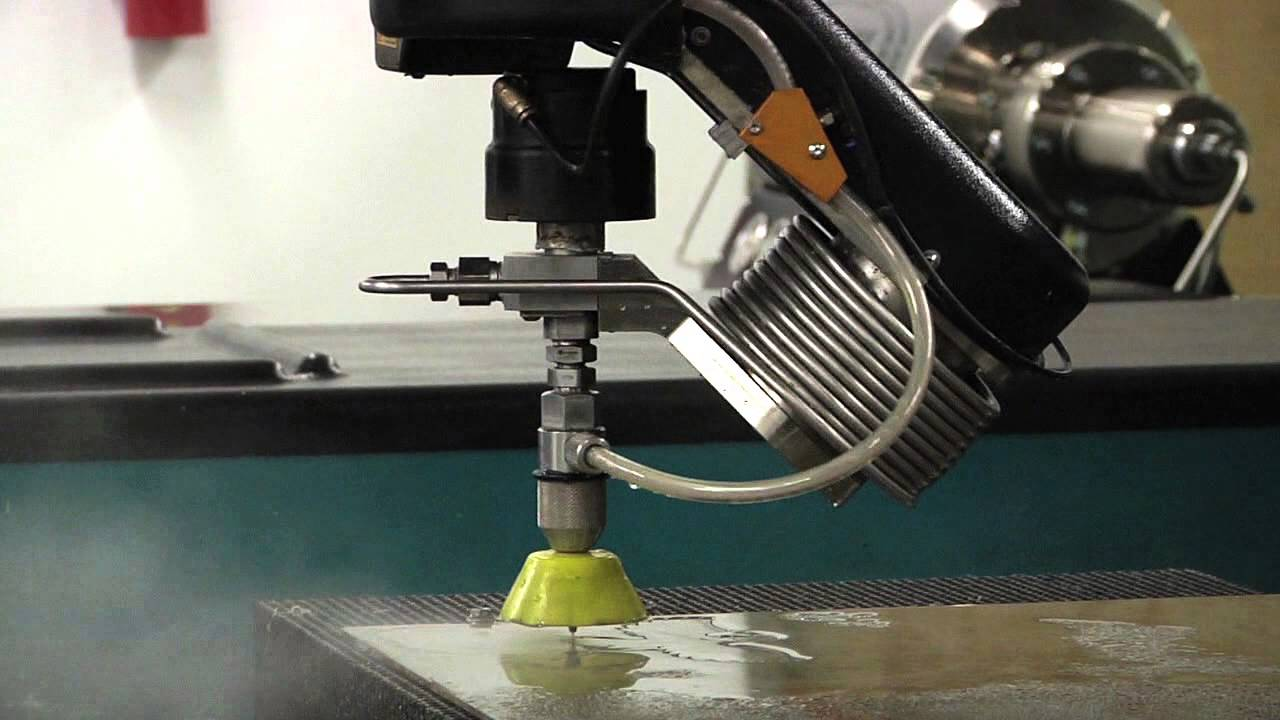
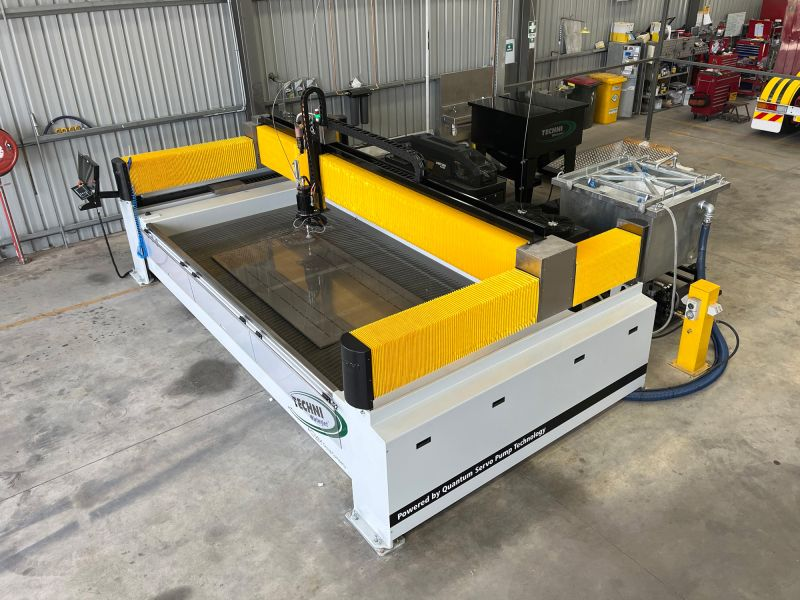
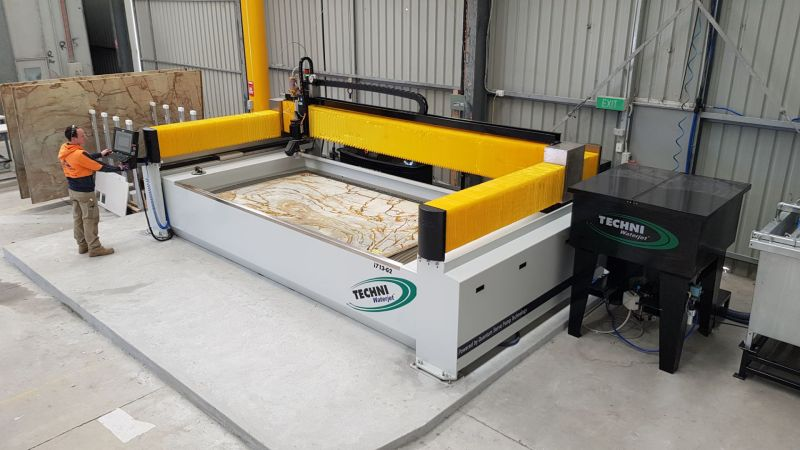
Waterjet cutting uses a high-pressure stream of water, sometimes mixed with abrasive particles, to slice through materials with remarkable precision. Unlike traditional cutting tools, it doesn’t generate heat, which means the material’s properties remain unchanged. Metals, glass, stone, and composites can all be processed with a single machine, making it one of the most versatile tools in modern fabrication.
For North Penn manufacturers, this versatility translates into new possibilities. A small workshop can take on projects that range from aerospace components to custom architectural panels without investing in multiple machines. Larger companies benefit from faster prototyping, shorter lead times, and reduced waste.
Some of the core advantages include:
A local example can be seen in fabrication shops serving both construction and medical suppliers. By using waterjet cutting, these businesses meet tight tolerances for surgical tools while also producing custom stone panels for new buildings—two markets that rarely overlap but thrive thanks to the same technology.
The adoption of advanced manufacturing in North Penn is not replacing people—it is creating a new mix of roles that demand both technical and creative skills. Instead of repetitive assembly work, many positions now involve operating, programming, and maintaining sophisticated equipment.
New career paths are opening in several categories:
These jobs generally offer higher wages than traditional factory positions, reflecting the skill required. According to state labor data, advanced manufacturing technicians in Pennsylvania earn salaries above the statewide average for production roles. Training often comes through community colleges, trade schools, and apprenticeships, allowing both young workers and experienced employees to upskill without leaving the region.
Education is at the center of North Penn’s ability to capture the benefits of advanced manufacturing. Technical high schools and colleges are partnering with local industries to ensure graduates leave with skills that employers actually need. STEM initiatives are no longer limited to classrooms; they extend to apprenticeship programs where students spend time on factory floors learning how to operate CNC machines or program robotics systems.
Institutions such as Montgomery County Community College and regional vocational schools have expanded offerings in mechatronics, automation, and digital design. These programs bridge the gap between academic learning and practical application. High school students can graduate with industry certifications, giving them a head start in careers that would have required years of training in the past. Local companies benefit as well, gaining access to a pipeline of skilled entry-level workers.
For those already in the workforce, retraining has become just as important as education for new entrants. Several initiatives support this transition:
These retraining efforts allow experienced employees to adapt rather than be left behind, ensuring that North Penn’s manufacturing community remains both competitive and inclusive.
Advanced manufacturing is spreading across many local industries, each finding new ways to improve efficiency and product quality. Aerospace suppliers in North Penn rely on lightweight precision parts, while medical device companies produce surgical tools and implants with accuracy that saves lives. Automotive suppliers use CNC and waterjet systems to create custom components, and construction firms employ precision cutting for metal, stone, and glass. Electronics companies benefit as well, prototyping enclosures and circuit housings at speeds that match fast-changing markets.
A local fabrication shop illustrates the trend. By investing in waterjet systems, the company shifted from serving only construction projects to also supplying medical prototypes. This diversification not only grew revenue but also insulated the business from downturns in a single industry.
Innovation thrives when technology reduces barriers. For small businesses in North Penn, advanced manufacturing provides access to the same tools that larger corporations use. That means a local fabricator can compete in niche markets where precision and customization matter more than scale.
Yes. Small workshops equipped with digital design tools and precision cutters can offer custom services to architects, healthcare providers, and electronics startups. This flexibility encourages entrepreneurship and keeps value creation within the community.
Prototyping has become a cornerstone of innovation for startups and established firms alike. With advanced tools, ideas move quickly from design to physical form.
Key benefits include:
Adopting advanced manufacturing isn’t without hurdles. Companies often struggle with the upfront costs of equipment, the need for specialized training, and the difficulty of integrating new systems with older ones. Smaller firms may also face pressure from larger manufacturers that can scale faster.
Common challenges include:
To overcome these obstacles, communities can provide grants, shared training centers, and networking opportunities that reduce risk for smaller firms while building a stronger regional ecosystem.
Sustainability is one of advanced manufacturing’s biggest advantages. Processes that once created significant waste now minimize material use and energy consumption. Waterjet cutting, for example, produces no hazardous fumes and can recycle the water it uses. Compared to laser or plasma cutting, it avoids heat distortion and requires less energy for many materials.
Other sustainability benefits include:
These practices not only benefit the environment but also reduce costs, giving North Penn manufacturers a competitive edge.
North Penn companies are no longer competing only with local peers—they’re serving clients across borders. Precision manufacturing allows even small firms to reach international standards of quality and delivery.
Yes, when they leverage their strengths. Global competitiveness depends on:
Diversified manufacturing creates resilience. When a region produces for multiple industries and markets, it is better positioned to withstand economic downturns. Advanced manufacturing gives North Penn that flexibility, making it less vulnerable to shifts in a single sector.
Looking ahead, North Penn is likely to see steady growth in jobs, technology adoption, and community development tied to advanced manufacturing. Projections suggest greater reliance on automation and clean technologies, expansion of regional supply chains, and broader adoption of collaborative robotics.
Predictions for the next decade include:
Advanced manufacturing in North Penn is about more than machines—it’s about how technology, people, and community intersect to create opportunity. From waterjet cutting to robotics, these innovations are giving local businesses tools to compete globally while generating better jobs at home. As schools, companies, and workers continue to adapt, the region is positioned not only to preserve its industrial heritage but to lead in the next chapter of American manufacturing. For North Penn, the future is being built right now.