Your garage door stands as a primary barrier between your home and the outside world. It’s designed to be robust, secure, and functional, but like any exterior component, it's constantly exposed to the elements. From scorching summer heat to torrential downpours and biting winter cold, extreme weather conditions can take a significant toll on your garage door system, leading to unexpected malfunctions, accelerated wear, and even outright damage. Understanding how these environmental factors impact your door is crucial for maintaining its longevity and ensuring your home’s security.
At Garage door On, we frequently encounter garage door issues directly attributable to the harshness of the weather. Whether it's the warping effects of relentless sun or the corrosive impact of heavy rains, the elements can compromise even the most well-built systems. Proactive awareness and preventative measures are key to protecting your investment and preventing inconvenient – and sometimes costly – surprises.
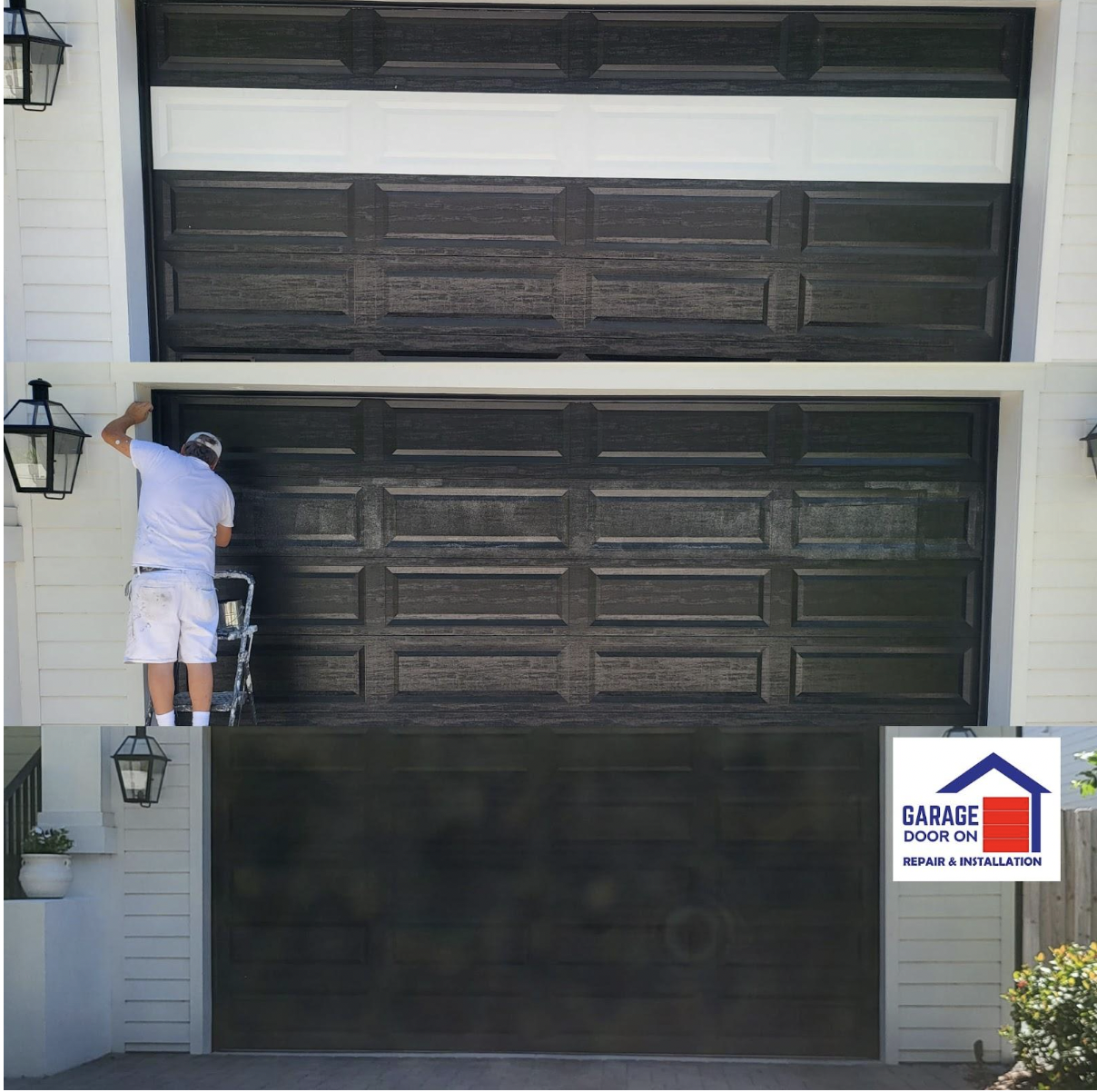
Let's explore how various types of extreme weather affect your garage door and what steps you can take to mitigate the risks:
1. The Scorching Sun: Heat, UV Rays, and Expansion
Summers, especially in regions with intense sun exposure, bring a unique set of challenges for garage doors.
- Material Expansion and Contraction: High temperatures cause materials like metal and even some plastics in your garage door to expand. While subtle, this constant expansion during the day and contraction at night puts stress on all components – tracks, rollers, hinges, and even the door panels themselves. Over time, this can lead to loosened fasteners, misaligned tracks, and increased friction, resulting in jerky operation or the door getting stuck.
- UV Degradation: Prolonged exposure to ultraviolet (UV) radiation from the sun is particularly damaging to non-metal components. The paint or finish on your garage door can fade, crack, or peel, compromising its aesthetic appeal and protective layer. Plastic parts, such as those found in sensors or weather stripping, can become brittle and crack, leading to failures. Rubber seals designed to keep out drafts and moisture can harden, lose their flexibility, and become ineffective.
- Sensor Interference: Direct sunlight can sometimes interfere with the photoelectric safety sensors that prevent the door from closing on an obstruction. If sunlight directly hits one of the sensor lenses, it can block the beam, causing the door to refuse to close or to reverse unexpectedly. This is a safety hazard that often presents itself during peak daylight hours.
- Lubricant Degradation: High temperatures can cause lubricants on moving parts (springs, rollers, hinges) to thin out or dry up more quickly, reducing their effectiveness. This increases friction and wear, leading to louder operation and accelerated deterioration of components.
What to Do:
- Regular Lubrication: Increase the frequency of lubricating moving parts during hot seasons. Use a high-quality, garage-door-specific lubricant that can withstand temperature fluctuations.
- Inspect and Clean Sensors: Regularly check and clean the photoelectric safety sensors, especially during sunny periods. Ensure nothing is blocking the beam and that they are properly aligned. Consider installing small shades or covers over the sensors if direct sunlight is a persistent issue (ensure they don't block the beam).
- Check Weather Stripping: Inspect and replace hardened or cracked bottom seals and perimeter weather stripping to maintain energy efficiency and prevent drafts.
- Consider a Lighter Color: If you're replacing your door and live in an extremely hot climate, a lighter colored door will absorb less heat than a darker one, potentially mitigating some expansion/contraction issues.
2. The Drenching Rains and Humid Air: Rust, Corrosion, and Water Damage
Whether it’s a sudden downpour or prolonged periods of high humidity, moisture is a significant threat to your garage door.
- Rust and Corrosion: Metal components like springs, cables, hinges, and tracks are highly susceptible to rust and corrosion when exposed to moisture. Rust weakens these parts, making them brittle and significantly increasing the risk of sudden failure, especially for critical high-tension components like springs and cables.
- Electrical Short Circuits: Water seeping into the garage door opener unit or wiring can lead to electrical shorts, causing the opener to malfunction, operate erratically, or cease working altogether. This is not only an inconvenience but also a potential fire hazard.
- Wood Rot and Warping: For wooden garage doors, excessive moisture can lead to swelling, warping, and eventually wood rot. This compromises the door's structural integrity, aesthetic appeal, and ability to operate smoothly. It can also lead to paint peeling and blistering.
- Sensor Malfunctions: Rainwater or high humidity can fog up or interfere with safety sensors, causing false readings and preventing the door from closing.
- Drainage Issues: Poor drainage around the garage can allow water to pool at the base of the door, constantly exposing the bottom seal and potentially seeping into the garage itself.
What to Do:
- Apply Rust-Inhibiting Lubricant: Use lubricants with rust inhibitors on metal components, especially in humid or rainy environments.
- Inspect for Rust: Regularly check springs, cables, hinges, and tracks for signs of rust. Address minor rust spots with a wire brush and touch-up paint, but consider professional replacement for heavily rusted critical components.
- Ensure Proper Sealing: Inspect and replace worn or cracked bottom seals and perimeter weather stripping. These are your first line of defense against water intrusion.
- Check Electrical Components: Ensure the garage door opener unit and its wiring are well-protected from moisture. If you notice any signs of water damage or unusual electrical behavior, contact a qualified technician.
- Improve Drainage: Ensure gutters and downspouts are clear and direct water away from the garage door area. Consider installing a trench drain if pooling water is a persistent problem.
- Maintain Wooden Doors: If you have a wooden door, ensure it is properly sealed, painted, or stained and regularly inspect for signs of rot or warping.
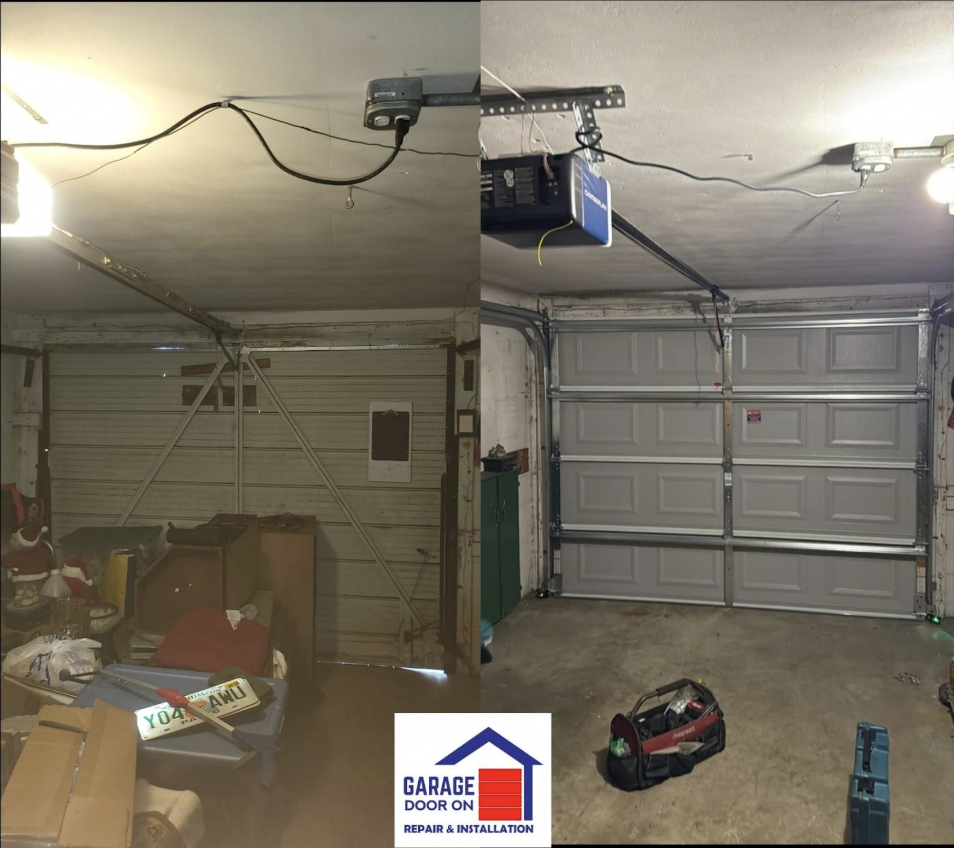
3. The Bitter Cold: Freezing Temperatures and Brittleness
Winter brings its own set of challenges, often making garage doors sluggish or unresponsive.
- Material Contraction: Just as heat causes expansion, cold causes materials to contract. This can make moving parts more rigid, increasing friction and making the door harder to operate. Metal components become more brittle in extreme cold, making them more prone to snapping, especially under sudden stress.
- Frozen Components: Moisture that seeps into crevices or on moving parts can freeze, binding rollers in tracks, stiffening hinges, or even freezing the bottom seal to the garage floor. This can prevent the door from opening or closing.
- Lubricant Thickening: Many standard lubricants can become thicker and less effective in freezing temperatures, hindering smooth operation and increasing wear on components.
- Motor Strain: The increased resistance from cold, stiff components puts extra strain on the garage door opener's motor, potentially leading to premature wear or burnout.
- Battery Performance: Remote control and keypad batteries perform less efficiently in cold weather, potentially leading to intermittent or failed operation.
What to Do:
- Use Cold-Resistant Lubricant: Switch to a lubricant specifically designed for extreme cold or multi-temperature use.
- Prevent Freezing: If your bottom seal often freezes to the ground, consider clearing away snow and ice promptly, and avoid parking directly on top of the seal after washing your car in cold weather. You can also apply a silicone spray to the bottom of the seal to help prevent sticking.
- Check Batteries: Replace remote and keypad batteries before winter sets in to ensure optimal performance.
- Inspect for Damage: After periods of extreme cold, check springs, cables, and other metal parts for signs of cracking or brittleness.
4. High Winds and Storms: Impact and Structural Stress
Strong winds, particularly during storms, can inflict immediate and severe damage.
- Impact Damage: Flying debris – branches, garbage cans, even loose outdoor furniture – propelled by high winds can strike and dent or puncture garage door panels. Severe impact can even compromise the door's structural integrity, causing it to buckle or come off its tracks.
- Rattling and Stress: High winds create pressure differences, causing the door to rattle violently in its tracks. This puts immense stress on hinges, rollers, and the track system itself, potentially leading to components loosening or failing over time.
- Bowing and Collapse: In extreme cases, sustained high winds can cause a garage door to bow inward or outward, potentially leading to a catastrophic collapse, especially if the door isn't reinforced for wind resistance.
What to Do:
- Secure Surroundings: Before a storm, secure loose items in your yard that could become projectiles.
- Inspect for Loose Components: Regularly check that all hinges, rollers, and track brackets are securely fastened. Tighten any loose nuts or bolts.
- Consider Wind Reinforcement: If you live in an area prone to high winds (e.g., coastal regions, hurricane zones), consider installing a vertical reinforcement system or a wind-rated garage door. Many newer doors come with wind load ratings.
- Keep Door Closed: In high winds, ensure your garage door is fully closed and locked to provide maximum resistance.
Protecting Your Investment with Professional Care
While proactive homeowner efforts can go a long way, the complex mechanics of a garage door system often require professional attention, especially when dealing with the effects of extreme weather. At Garage door On, we specialize in diagnosing and repairing weather-related damage, performing preventative maintenance, and advising on upgrades that can help your door withstand the elements more effectively.
Regular professional inspections ensure that wear and tear from weather extremes are identified and addressed before they lead to costly repairs or dangerous malfunctions. Investing in quality maintenance is investing in your home's security, energy efficiency, and the safety of your family. Don't let the weather dictate the fate of your garage door; take proactive steps to ensure it stands strong against whatever nature throws its way.
Contact Us Today!
For expert advice, professional installation, and reliable garage door repair services, contact us:
GARAGE DOOR ON
Address: 3104 N Armenia Ave #2 Tampa FL 33607
Phone: 813-461-6009
Email: [email protected]












