
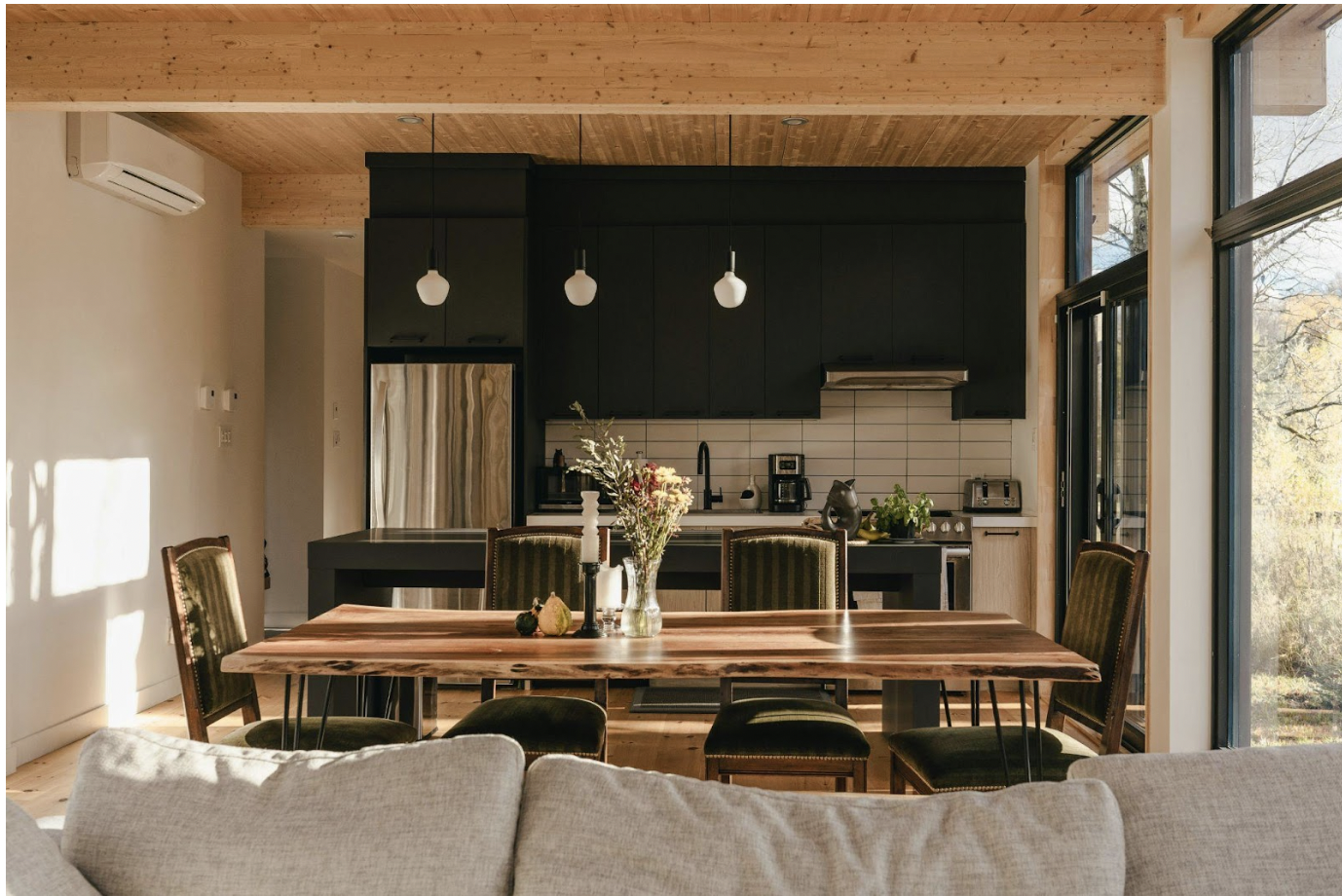
In today’s world of endless to-do lists, nonstop alerts, and competing responsibilities, creating an oasis of calm at home has never felt more essential. Whether you live in a compact apartment in Lansdale or a spacious family home in Towamencin, your environment directly affects your mental clarity and sense of well-being. That’s why it’s important to make mindful changes that invite peace into your everyday spaces.
While a wellness-forward lifestyle starts with habits like nutritious eating and movement, brands like Better Body provide thoughtful products to support internal balance, it’s equally important to shape your external surroundings for emotional ease. A few design tweaks at home can reduce stress, boost focus, and promote better sleep.
Here’s how North Penn locals can use space, light, texture, and intention to build sanctuaries that soothe.
Start with your living room, the heart of your home. To make it more inviting, prioritize softness and simplicity. Choose a calming color palette, soft neutrals, sage greens, warm beiges, that won’t overwhelm the senses. Avoid visual clutter by streamlining decor and selecting furniture that serves both function and form.
Arrange your seating to encourage conversation and connection, not just a direct view of the television. Place a small, lush plant on a side table or windowsill for a subtle touch of nature indoors.
Exposure to natural daylight is essential for your circadian rhythm and mood regulation. According to the U.S. Department of Energy, natural light not only conserves energy but also improves our psychological and physical health.
In North Penn’s seasonal climate, make the most of daylight by keeping window coverings light and breezy. Use sheer curtains that allow soft light to filter in, and consider adding mirrors to reflect brightness into darker corners. Even just 30 minutes in a sunlit room can help regulate your body’s internal clock and reduce anxiety.
Whether it’s a cozy reading nook, a yoga mat rolled out in a sunny corner, or a deep armchair by the fireplace, your home should include a space dedicated entirely to unwinding. This zone doesn’t need to be large or perfectly styled, it just needs to feel like a retreat from the rest of the world.
Add textures that signal comfort: a plush throw blanket, a knit pouf, or a faux sheepskin rug. Keep this area screen-free to encourage moments of reflection, journaling, or simply sitting in stillness.
Our brains link scent to emotion more directly than any other sense. That’s why scent is such a powerful design tool. Incorporate calming fragrances into your home environment through diffusers, candles, or linen sprays.
Choose scents known to promote calm, such as lavender, eucalyptus, chamomile, or sandalwood. Use these strategically in bedrooms, bathrooms, or your evening wind-down space to cue relaxation routines and deepen your sense of sanctuary.
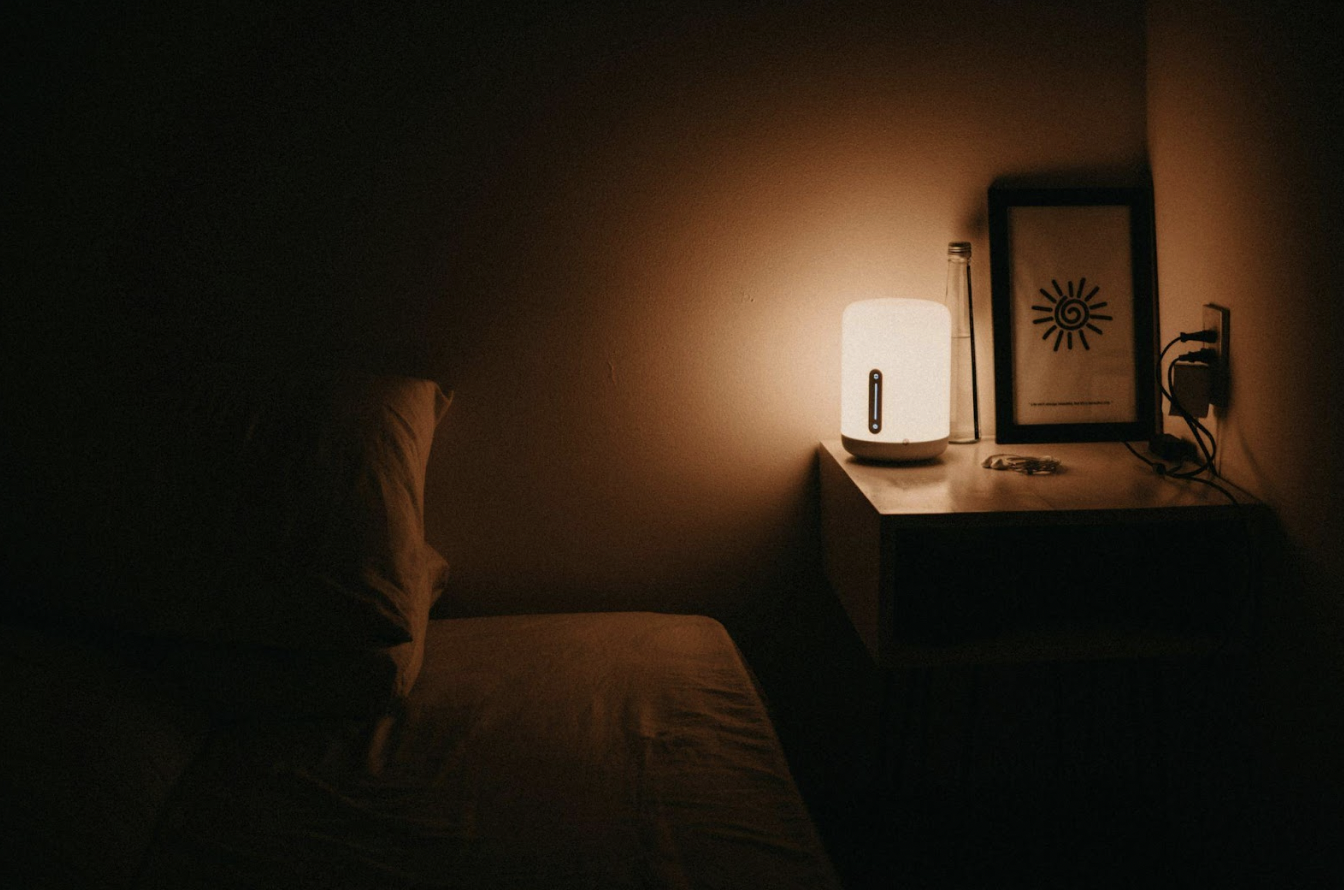
Your bedroom should feel like a cocoon. Keep the layout simple, the lighting warm, and the surfaces clear of clutter. Ditch your phone or tablet at least 30 minutes before bedtime, opt for a physical book or journal instead.
Use blackout curtains or an eye mask if external light is interfering with rest. Choose natural materials for bedding, such as cotton or linen, which breathe better and feel more comforting on the skin. And remember: quality over quantity. A thoughtfully made bed and a soft nightstand lamp can shift your nighttime experience significantly.
Sound plays a major role in our perception of space. In North Penn homes near busy roads or active neighborhoods, white noise machines, indoor water fountains, or soft music playlists can mask disruptive noise and create a cocoon of peace.
For a minimalist approach, consider a Bluetooth speaker with ambient playlists or nature sounds. Raindrops, birdsong, and ocean waves all have soothing effects that help reduce cortisol levels and invite deeper relaxation.
Physical clutter creates mental clutter. If your home feels chaotic, begin by removing what no longer serves you. Start small, clear out a single drawer or corner. Ask whether each object supports your lifestyle or weighs you down.
Use hidden storage like baskets, ottomans, or sleek shelving to keep everyday essentials out of sight. Label boxes to make it easy to stay organized over time. Not only does this reduce visual stress, but it also saves time and decision fatigue in the long run.
You don’t need a backyard to connect with nature. Indoor plants like pothos, snake plants, or peace lilies are easy to care for and improve air quality. Their greenery introduces a sense of growth and calm into your interiors.
North Penn's local nurseries often carry native species that thrive indoors. Even a single potted fern or vase of fresh eucalyptus on your kitchen counter can shift the mood of your home.
Harsh overhead lighting can spike stress levels and overstimulate the senses. Instead, layer your lighting with dimmable lamps, wall sconces, or candles. Use warm white bulbs in the 2700K–3000K range for a cozy, relaxed feel.
Accent lighting helps you set the tone for different times of day, bright task lighting for work, amber glow for reading, and candlelight or low lights for evenings. These small shifts have a big emotional impact.
Design your space to support morning and evening rituals. Leave your robe and slippers by the bed for a soft start to the day. Keep your favorite tea near the kettle. Place an inspiring quote or photo near the mirror to start your routine with intention.
For evenings, wind-down habits like lighting a candle or turning down the thermostat cue your body and mind that it’s time to slow. These rituals are often the anchor in otherwise hectic lives.
Ultimately, the most calming home is one that reflects your values and supports your routines. Ask yourself how each room makes you feel. Do your surroundings match your goals, more stillness, more energy, more connection?
Whether you're working toward a healthier interior or exterior, the environment around you plays a pivotal role. Just like nourishing your body with better choices through platforms like Better Body, curating your living space with intention has the power to elevate how you feel every single day.











