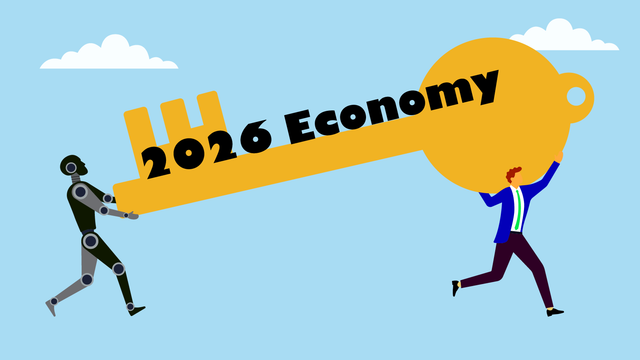
You’d be forgiven for thinking outside sales consists of old‑school handshakes and road trips. It’s a proven growth engine that continues to matter, even as AI permeates nearly every corner of the economy. Recent macro‑economic forecasts set a sobering backdrop for 2026: Morgan Stanley expects global GDP growth to slip to 2.8% in 2026, while Deloitte sees U.S. expansion hovering near 1.5%. With high interest rates and cautious business investment, companies need sales strategies that deliver reliable returns. That’s where face‑to‑face selling shines.
Field reps handle complex, high‑stakes transactions that inside teams seldom touch. Recent data shows that field sales teams account for roughly 71% of the sales force, and they close deals at an average rate of 40%.
So what is outside sales’ impact on the economy? RepMove, a leading outside sales tool, analyzed of thousands of field visits from January to July 2025 shows the average outside sales rep visits more than 1,300 customers and prospects annually. Multiply that by the hundreds of thousands of outside sales reps in the United States and you’ll discover an impact measured in the tens of billions.
Bigger accounts and longer sales cycles mean field reps are typically compensated more generously; salary data from 2025 puts the average U.S. outside sales rep at about $87,380 in base pay with roughly $22,560 in commissions, with top earners approaching $170,000. In an uncertain economy, that kind of earning power reflects the value these reps create for their employers.
Outside sales isn’t limited to door‑to‑door pest control or solar panels. It touches every level of the economy. Construction distributors and equipment rental companies send reps to jobsites to meet tradespeople; medical device and pharmaceutical firms rely on field reps to educate doctors and hospital administrators about new technologies; even technology firms use field reps to secure large enterprise accounts and attend trade shows.
Generative AI can assist with lead scoring, script writing and follow‑up emails, but it still stumbles over fundamental human skills. A 2025 analysis of AI in sales notes that while algorithms can analyze sentiment and tone, they cannot comprehend human emotion and lack genuine empathy. AI can generate responses and suggestions based on past interactions yet cannot engage in nuanced negotiations or adapt to unforeseen challenges the way humans do. It can’t replicate authentic relationship‑building—the ability to read body language, build trust, and handle complex, high-stakes business discussions. Human connection matters: a survey compiled by Qwilr found that 82% of sales professionals regard relationship‑building as the most important part of selling. Buyers agree: trustworthiness and responsiveness rank as their top desired traits in a salesperson. Even local news outlets recognize that sales jobs are resilient. In a 2025 segment on AI‑proof careers, career coach John Crossman said that “sales, customer service” stand out as roles that can’t be automated because they depend on relationship‑building and trust.
Slowing growth and longer purchasing cycles demand more from sellers. Gartner research cited in Qwilr’s compilation shows that seven people are now involved in the average B2B buying decision, and others note that these cycles can stretch eleven to twelve months. Buyers are often virtually through with their research before they ever speak to a salesperson. That means field reps must be consultants as much as sellers. The need to patiently keep guiding prospects through complex decisions rather than rushing toward a close is paramount. The same RepMove report stresses that outside reps spend only about a third of their time on revenue‑generating activities. The rest is eaten up by travel and administrative work. Route‑planning tools, mobile CRMs and AI‑assisted note‑taking help reclaim some of that time, but the core of the job remains human.
As we enter a period of slower economic expansion, companies will be tempted to cut back on travel budgets and lean on automation. That strategy misreads the moment. Field sales offers something algorithms can’t: trust‑based relationships that withstand market turbulence. The data suggests that outside reps close more deals, earn higher compensation, and drive growth across industries. AI will continue to streamline their workflows, but it won’t replace the value of a human who knows the industry, listens actively and builds rapport. In 2026 and beyond, when buyers are cautious and economic headwinds persist, companies that invest in outside sales that’s empowered by technology yet grounded in human connection will be the ones still growing.