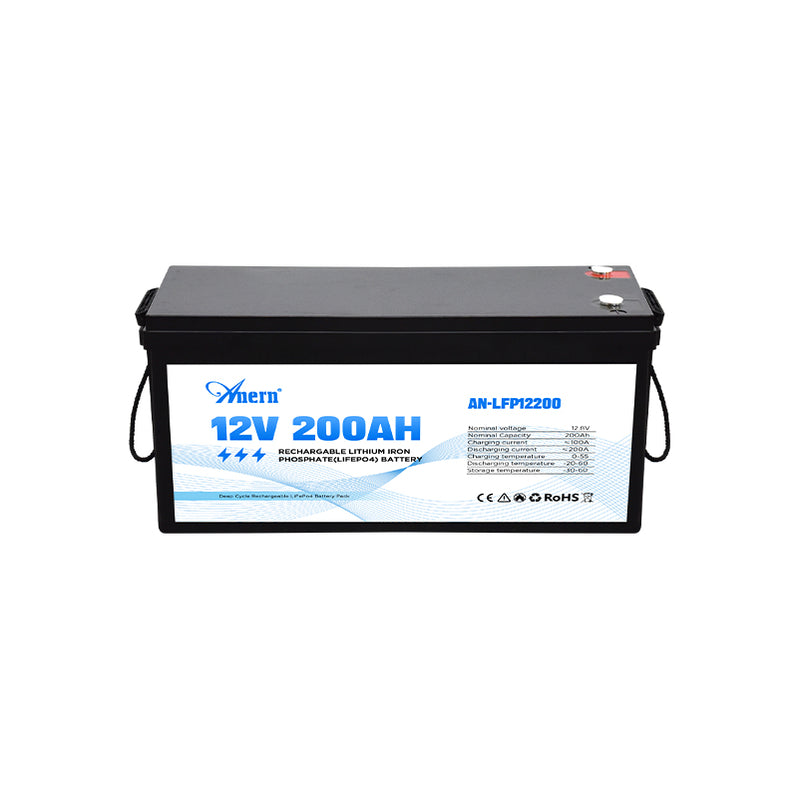
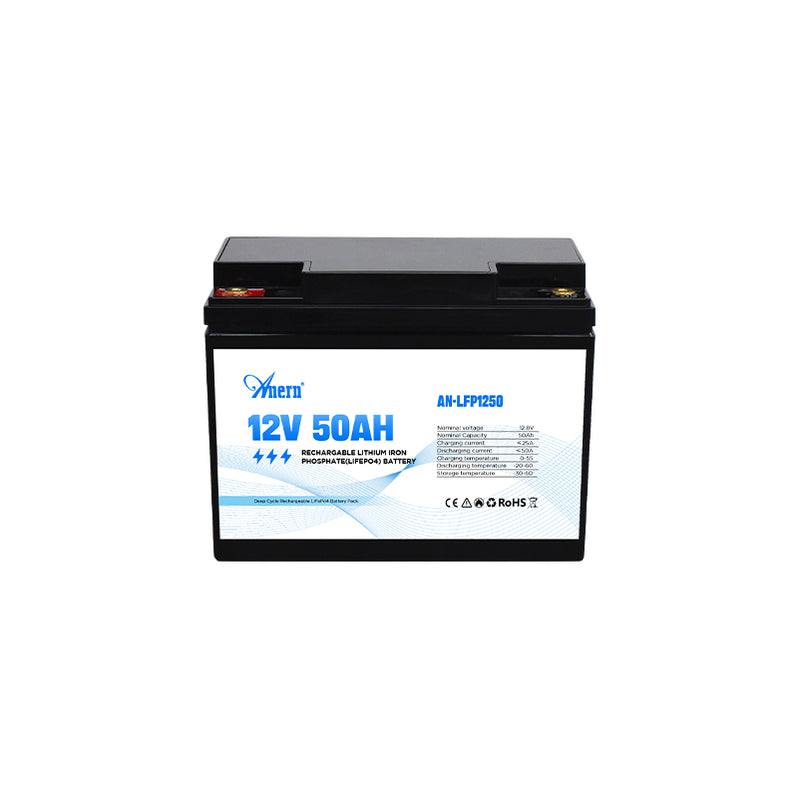
Picture this: You're parked at a breathtaking wilderness spot, living your RV dream, when suddenly your power dies – leaving you in the dark with a warm fridge and dead devices. This all-too-common nightmare stems from traditional lead-acid batteries, which have long plagued RV enthusiasts with their excessive weight, constant maintenance needs, and frustratingly short lifespans.
Enter the game-changing world of lithium 12v battery, specifically designed for RV applications. These modern power solutions are revolutionizing how we approach off-grid adventures, offering freedom from the limitations that once held RV travelers back. No more worrying about battery maintenance, unexpected power losses, or carrying unnecessary weight.
In this comprehensive guide, we'll explore why lithium batteries are transforming RV travel, examine the top performers in the market, and break down the compelling economics that make them a smart long-term investment. Whether you're a weekend warrior or full-time RVer, understanding these power solutions will fundamentally change how you experience life on the road.
The shift to lithium 12V batteries has fundamentally transformed the RV lifestyle, offering unprecedented freedom for off-grid enthusiasts. These powerhouses weigh just 30% of their lead-acid counterparts while delivering up to ten times more charging cycles, dramatically reducing the physical and maintenance burden on RV owners.
Beyond weight savings, lithium batteries maintain steady voltage output until nearly depleted, ensuring your appliances run optimally throughout the discharge cycle. This consistent performance eliminates the voltage sag common in lead-acid batteries, which can damage sensitive electronics and reduce appliance efficiency.
The contrast between traditional and lithium technologies becomes stark when examining real-world performance. While a 100Ah lead-acid battery offers only 50Ah of usable capacity to avoid damage, a LiFePO4 battery delivers 90-100Ah of true usable power. This translates to dramatically longer off-grid stays - typically 3-4 days of boondocking from a single lithium battery compared to barely 24 hours with lead-acid.
Modern LiFePO4 batteries incorporate sophisticated Battery Management Systems (BMS), providing comprehensive protection against overcharging, over-discharging, and temperature extremes. This built-in intelligence eliminates the constant monitoring required with traditional batteries, allowing RV owners to focus on enjoying their adventures rather than babysitting their power system.
Deep cycle batteries form the foundation of reliable RV power systems, designed specifically to handle repeated deep discharges without damage. Unlike starting batteries that provide quick bursts of power, deep cycle batteries deliver sustained energy crucial for powering RV appliances and systems throughout extended trips.
The revolutionary aspect of lithium deep cycle batteries lies in their remarkable depth of discharge capabilities. While traditional lead-acid batteries must maintain 50% charge to prevent internal damage, lithium batteries safely operate down to 10-20% capacity. This translates to nearly double the usable energy from the same rated capacity - a 100Ah lithium battery provides 90-100Ah of practical power compared to just 50Ah from lead-acid alternatives.
For instance, Anern's advanced LiFePO4 batteries showcase this capability perfectly, consistently delivering over 90% of their rated capacity while maintaining stable voltage output throughout the discharge cycle. This reliable performance has made them increasingly popular among serious RV enthusiasts who demand dependable power for extended off-grid stays.
Understanding battery performance metrics is crucial for making informed RV power decisions. The most critical indicator is cycle life, with premium lithium batteries delivering over 2,000 full discharge cycles compared to 200-300 for lead-acid alternatives. This translates to roughly 8-10 years of regular use before capacity notably decreases. Charge efficiency also plays a vital role, with lithium batteries converting up to 98% of incoming power to stored energy, versus 85% for lead-acid options.
The demanding marine environment has driven battery innovations that directly benefit RV applications. Marine batteries must withstand constant motion and vibration while maintaining reliable performance - exactly what RV batteries face on rough roads and campgrounds. Advanced shock-mounting systems and reinforced internal connections, originally developed for boats, now protect RV batteries from damage during travel.
Temperature resilience, another crucial marine battery feature, proves invaluable for RV use. Quality lithium batteries incorporate sophisticated thermal management systems that maintain optimal performance from subfreezing temperatures to scorching desert heat. This technology, refined through years of marine application, ensures consistent power delivery regardless of weather conditions, making it ideal for year-round RV adventures.
While the initial investment in lithium batteries may cause sticker shock, the long-term financial benefits make them remarkably cost-effective for RV owners. A quality lithium battery system typically costs 3-4 times more upfront than lead-acid alternatives, but delivers over 10 times the usable cycles. This extended lifespan eliminates the need for multiple battery replacements, generating substantial savings over a decade of use.
Consider the practical math: A traditional lead-acid system requiring replacement every 2-3 years adds up to four battery purchases over ten years, while a single lithium battery continues performing optimally throughout this period. Beyond direct replacement costs, lithium batteries dramatically reduce generator runtime requirements. RV owners report up to 70% reduction in generator fuel consumption and maintenance costs after switching to lithium power. This translates to annual savings of $300-500 in fuel costs alone for typical RV usage patterns.
Successfully integrating a lithium battery system starts with proper compatibility verification. First, inspect your RV's charging components, including the converter/charger, solar charge controller, and alternator. Most modern units are lithium-compatible, but older systems may require updating to prevent overcharging. For optimal performance, adjust charging voltages to 14.4-14.6V for bulk charging and 13.6V for float charging.
The beauty of lithium batteries shines through their minimal maintenance requirements. Unlike lead-acid batteries that demand monthly water level checks and terminal cleaning, lithium systems need only occasional terminal inspections and voltage monitoring through their built-in displays. For seasonal storage, maintain the charge level between 40-80% and store in a temperature-controlled environment above freezing. This simple protocol preserves battery health without the complex winterization procedures required for traditional batteries.
The evolution from traditional lead-acid to lithium LiFePO4 batteries represents more than just a technological upgrade - it's a fundamental shift in how RV enthusiasts can experience true off-grid freedom. With 70% weight reduction, 10 times the lifespan, and nearly double the usable capacity, lithium batteries eliminate the compromises that once defined RV power management.
The numbers tell a compelling story: over 2,000 charging cycles, 90-100% depth of discharge, and potential savings exceeding $5,000 over a decade of use. For serious RV travelers, LiFePO4 batteries aren't just an option - they're an essential investment in reliable, maintenance-free adventure. The combination of consistent power delivery, built-in protection systems, and remarkable durability creates a foundation for worry-free travel, whether you're a weekend warrior or full-time nomad.
As battery technology continues advancing, we're seeing glimpses of even more exciting developments on the horizon, from enhanced energy density to improved extreme weather performance. But for today's RV enthusiast, the path is clear - lithium LiFePO4 batteries have set a new standard for mobile power that's unlikely to be surpassed anytime soon. Don't let power limitations hold back your adventures - make the switch and experience what true off-grid freedom feels like.