Local business owners in Montgomery and Bucks County understand that smooth operation depends on more than just good luck, it hinges on dependable equipment and consistent safety practices. Before diving into tool selection or maintenance routines, many turn to practical comparisons, like the electric vs gas log splitter guide offered by Equipment Outfitters, to grasp baseline expectations for long-term equipment reliability and safety.
Small businesses, whether landscaping services, local contractors, or farm stands, must do more with less. Equipment that's overly complex or high-maintenance can easily become a liability. Here’s how local entrepreneurs can build safer, more reliable workflows around tools and practices suitable for a lean team.
Small businesses frequently operate without dedicated maintenance teams. When machinery is overly advanced, requiring software updates, sensor recalibrations, or proprietary parts, downtime costs escalate. In contrast, tools designed for simplicity and durability often perform reliably in every condition.
A chain saw with manual controls and durable components will likely outlast one with touchscreen diagnostics or cloud syncing features, especially during prolonged jobs or in challenging weather. When speed matters less than continuity, basic tools win.
Operating simple, rugged equipment also reduces the risk of operational errors. Teams can troubleshoot quickly, parts are easier to source locally, and standard training gets new hires field-ready faster. That reliability builds trust with clients and keeps deadlines on target.
A maintenance-light model doesn’t mean ignoring upkeep. It requires strategic simplification. Think of maintenance in two forms: preventive (routine checks) and reactive (fixing things as problems arise).
One structured approach is reliability-centered maintenance (RCM), a framework that identifies which equipment failures pose the greatest risk to safety or operations and focuses resources accordingly. Rather than budgeting dozens of checks, small businesses can prioritize critical systems, like plasma cutters or tractors, that, if down, halt production entirely.
Predictive maintenance may still be out of reach, but basic condition tracking (noise changes, oil leaks, or unusual odors) becomes just as valuable in a hands-on environment.
By pairing minimal preventive checks (like filter changes and lubrication intervals) with quick reactions to early warning signs, small operators can run safer and avoid extended shutdowns.
Image from Unsplash
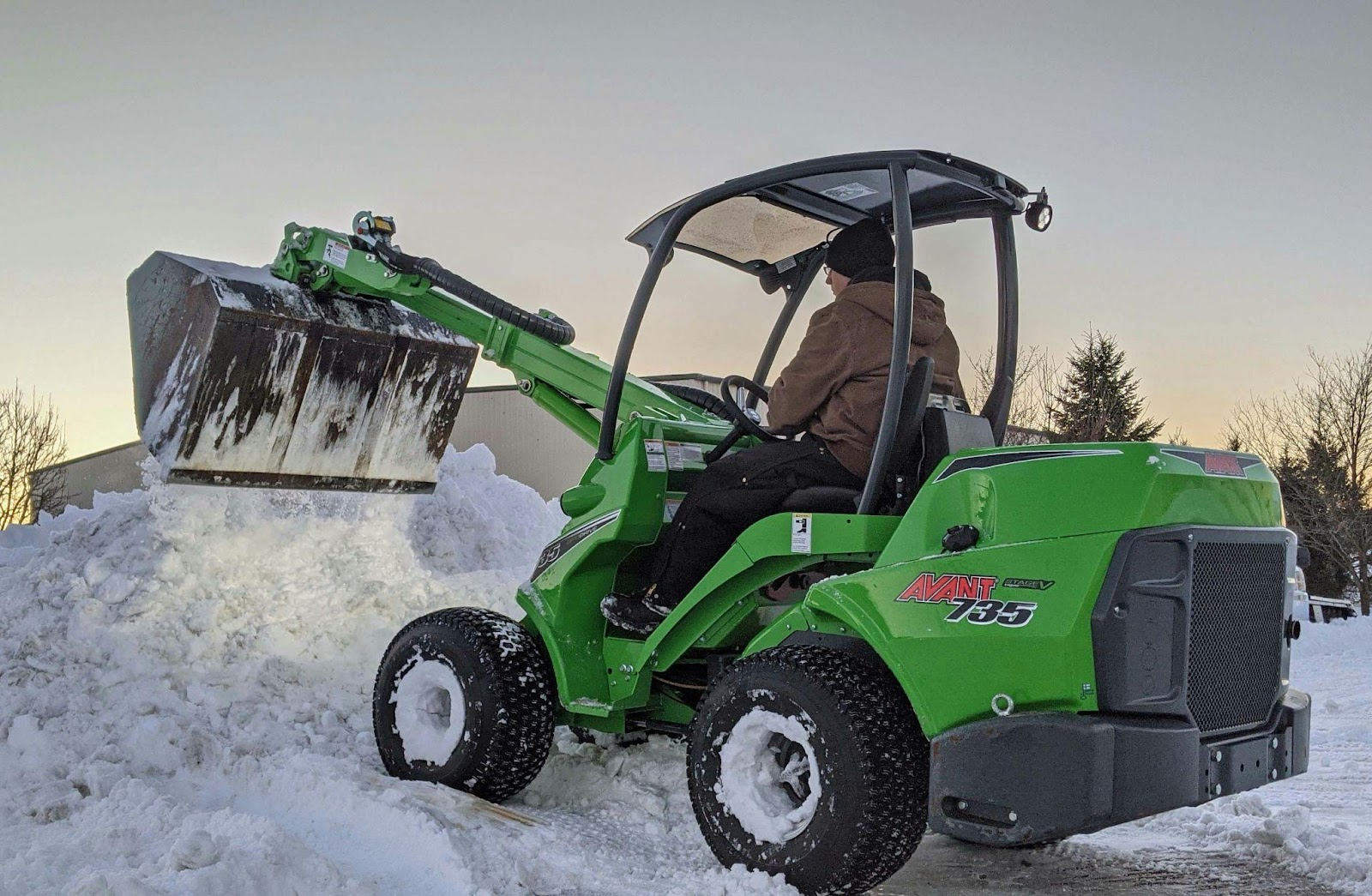
Rather than leaning on theoretical examples, think of the quiet wins local teams experience every day by sticking to the basics. A snow removal service that relies on basic, lever-controlled plows rather than sensor-driven blades finishes routes without mid-job software failures. A bike courier team using analog gear shifters instead of integrated electronics sees fewer service delays and can swap components at any local shop.
Even in seasonal farm operations, those who choose non-electric tools for certain tasks, like hand weeders or crank-driven sprayers, stay productive when outages hit or newer tech malfunctions in wet conditions. The payoff isn’t always visible upfront, but shows up in steadier workflows and fewer emergency calls.
According to the National Institute for Occupational Safety and Health (NIOSH), poorly maintained or overly complex machinery can lead to increased workplace accidents, lost productivity, and higher overall costs. They recommend routine safety checks, yes, but also emphasize the value of simplicity in design, especially for small teams that lack full-time safety officers or equipment managers.
NIOSH notes that workers using simple, user-friendly equipment are more likely to report issues early, fix them quickly, and maintain operational flow, exactly what a small business needs to stay lean and responsive.
Equipment safety isn’t just a checklist, it’s culture. Local businesses thrive when team members feel responsible for the tools they use. Responsibilities like cleaning filters weekly, logging odd sounds, or securing machines before repairs empower employees and keep minor issues from escalating into major problems.
Small businesses in many counties also benefit from resources like OSHA’s small-business consultation programs, which provide free on-site guidance without fines. These programs help teams build simple hazard assessments and maintenance plans, often based on realistic local needs rather than large-firm templates.
Here’s a streamlined routine that local businesses can adapt:
This approach enables consistent, safer operations without costly overhead or hidden interruptions.
Unlike industrial-scale businesses, local firms thrive on reliability and reputation. When a small contractor completes a job on time, without surprise delays, it boosts word-of-mouth and trust. But one sharp pay turnaround or safety violation can stall that momentum, and even invite scrutiny from nearby regulators.
Businesses built around equipment resilience, selecting tools guided by trusted resources like Equipment Outfitters, training staff to observe signs of failure, and leaning into simplicity, are better positioned for long-term survival and steady growth.
In Montgomery and Bucks counties, where small businesses power day-to-day life, the decision to choose practical, low-maintenance equipment can make all the difference. Simple tools reduce downtime, decrease safety risks, and empower teams to manage equipment proactively.
By embedding reliable practices, backed by smart maintenance and reinforced through low-profile tools, owners secure both business durability and local reputations. As operations scale, the clarity and trust earned in early years become a strong foundation for growth.
And for anyone weighing machinery options, even in non-related tool categories, exploring thoughtful comparisons, like electric vs gas log splitter, can clarify what fits best for your operation, right here in our community.