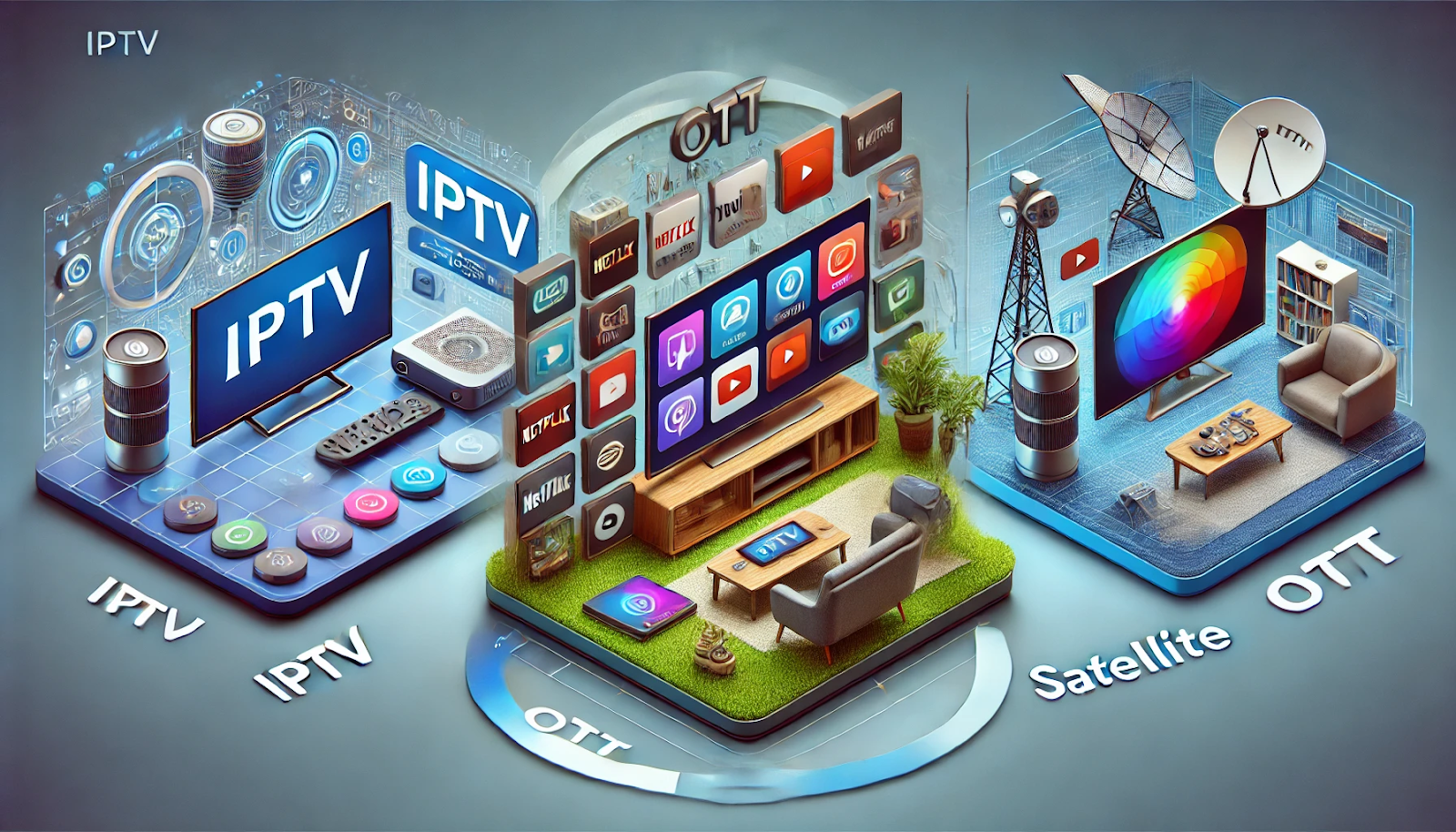
With the explosion of digital entertainment platforms, viewers now face more options than ever when it comes to how they watch TV. The big three contenders—IPTV, OTT, and Satellite—each offer distinct benefits, delivery methods, and limitations. Whether you're evaluating the best indian iptv services or comparing them against other technologies, it’s important to understand how each works to make an informed decision.
This guide breaks down the differences between IPTV, OTT (Over-the-Top), and Satellite television to help you choose the streaming solution that fits your lifestyle, budget, and viewing preferences.
What Is IPTV?
IPTV (Internet Protocol Television) delivers TV content over the internet using dedicated and often private networks. Unlike cable or satellite, IPTV does not rely on traditional broadcast signals. Instead, it uses high-speed broadband connections to stream live channels, video-on-demand (VOD), and time-shifted content directly to users.
IPTV services are typically accessed via:
It’s a favorite among global audiences due to its ability to deliver localized and international content with precision. For instance, you can subscribe to regional language packages, such as malayalam iptv, and stream it from anywhere in the world.
What Is OTT?
OTT (Over-the-Top) refers to streaming content directly to users via the public internet without the need for cable or satellite infrastructure. Services like Netflix, Amazon Prime, Hulu, and Disney+ fall into this category.
Key characteristics of OTT:
OTT services are widely adopted because of their accessibility, device compatibility, and original content. However, they often lack comprehensive live TV options, local channels, or multilingual programming unless bundled with add-ons.
What Is Satellite TV?
Satellite television uses geostationary satellites to beam broadcast signals to a dish installed at your location. Providers like DishTV and DirecTV have dominated this space for decades.
Key characteristics of Satellite:
While satellite TV remains relevant in rural or low-infrastructure areas, its limitations (setup complexity, higher costs, weather dependency) are driving users toward IPTV and OTT.
IPTV vs OTT vs Satellite: Key Differences
Feature | IPTV | OTT | Satellite TV |
Delivery Method | Internet (private network) | Internet (public, open access) | Satellite dish & receiver |
Live TV | Yes | Limited or via add-ons | Yes |
On-Demand Content | Yes | Yes | Limited |
Device Compatibility | TV, mobile, PC, set-top boxes | TV, mobile, tablets, browsers | Primarily TV + receiver box |
Installation | Easy (app-based or set-top box) | Instant (via apps or browsers) | Requires dish & technician |
Offline Access | No | Some platforms offer download | No |
Multilingual Content | High (regional language packs) | Medium (varies by platform) | Medium |
Signal Reliability | High (based on internet quality) | High (based on internet quality) | Can drop during bad weather |
Cost Efficiency | High (custom channel packages) | Medium to high (subscription tiers) | High cost for premium channel bundles |
IPTV: Best for Global and Regional Viewers
IPTV’s biggest strength is its flexibility in delivering international and regional content to niche audiences. Whether you're living abroad or seeking content in your native language, IPTV providers offer packages tailored for cultural and regional relevance.
For example, Indians living overseas often opt for the best indian iptv services to stay connected to their favorite serials, news channels, movies, and religious programming. This type of customization is not available in traditional satellite or mainstream OTT platforms.
OTT: Best for Casual, On-Demand Viewing
OTT platforms dominate when it comes to:
However, they fall short in areas such as:
OTT is ideal for people who consume entertainment casually, binge-watch series, or want access to globally popular shows and movies without much concern for regional live content.
Satellite: Best for Remote Areas with Limited Internet
In regions with poor internet coverage or unreliable infrastructure, satellite TV can still be the go-to option. It's particularly useful for:
However, its relevance continues to diminish in urban and connected areas due to expensive setup and limited flexibility.
Which One Should You Choose?
Choose IPTV if you want:
Choose OTT if you want:
Choose Satellite if you want:
Final Thoughts
While each platform has its merits, IPTV is increasingly emerging as the preferred choice for modern viewers—especially those seeking a global-meets-local content experience. With its ability to combine live television, video on demand, and regional customization, IPTV bridges the gap between traditional viewing and next-gen streaming.
For Indian audiences in particular, IPTV providers offering malayalam iptv and other regional language options make it easier than ever to enjoy personalized and culturally rich content from anywhere in the world.
Ultimately, the best streaming technology is the one that fits your specific needs—but IPTV offers a balanced, scalable, and future-ready approach to home entertainment.