
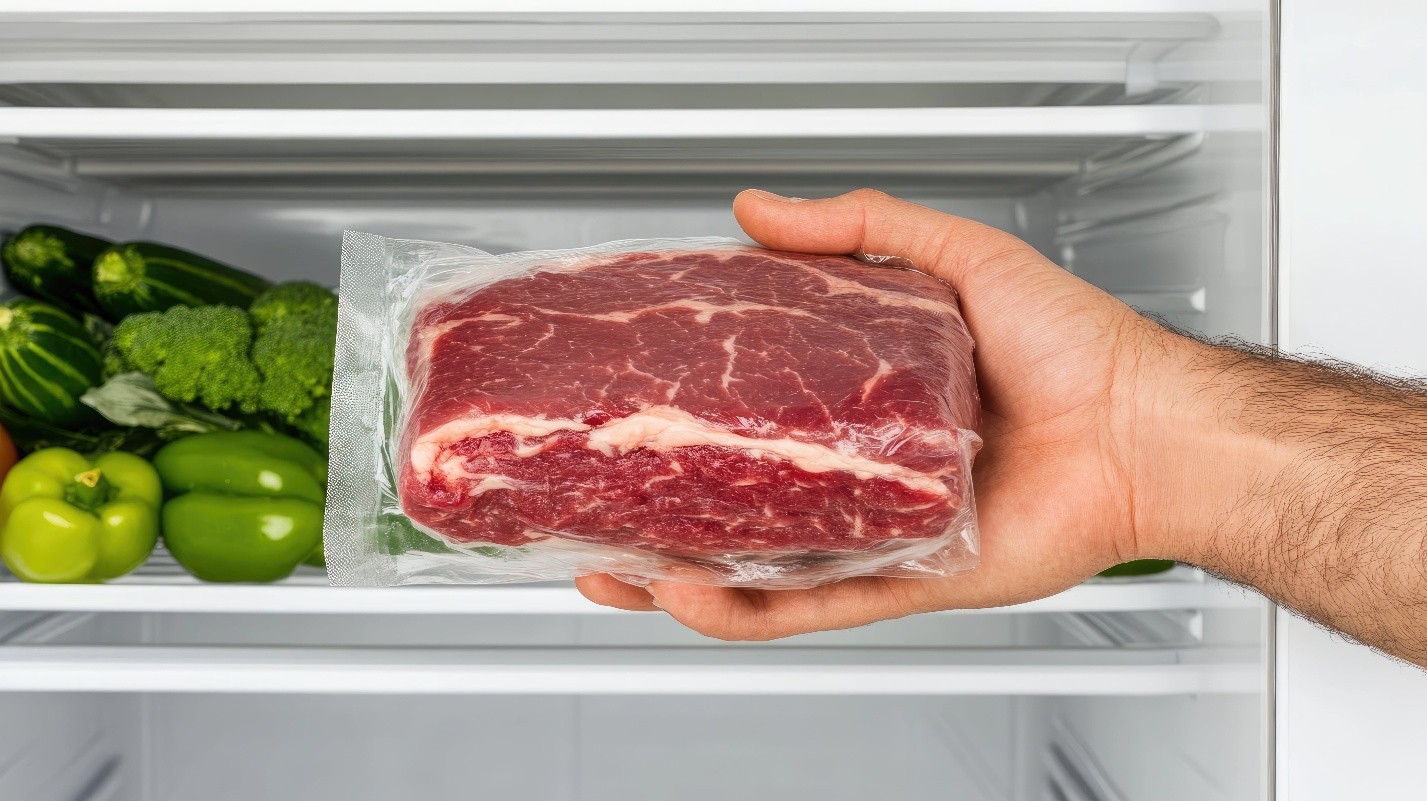
Stocking up on meat in bulk is a savvy way to save money, reduce frequent grocery trips, and prepare for emergencies or meal planning. Whether you're capitalizing on a Kenston Farms bundle deal, taking advantage of freezer sales, or buying half a cow from a local farm, the benefits are plentiful, but only if the meat is stored properly. Improper storage can lead to freezer burn, waste, or worse, unsafe food. To get the most out of your bulk meat purchase and ensure nothing goes to waste, you’ll need a solid game plan.
Kenston Farms talks about everything you need to know about storing bulk meat, from prepping your freezer and choosing the right packaging to mastering the art of rotation and keeping food safe for the long haul.
Before your bulk meat even enters the house, Kenston Farms explains that your freezer needs to be ready for action.
Clean and Defrost First
If your freezer has accumulated frost or spilled sauces over time, give it a full reset. Unplug the unit, let it defrost, wipe it down with a disinfecting solution, and dry thoroughly. This eliminates odors and gives you a clean slate for organized storage.
Organize and Allocate Space
Meat needs air circulation to freeze evenly and stay fresh. Avoid just cramming it in. Designate shelves or sections by meat type—beef, chicken, pork, fish—to make future retrieval easier. If you're storing multiple months' worth of meat, consider investing in a chest freezer or upright deep freezer with more capacity and better insulation than the freezer section of your refrigerator.
Pre-Freeze Large Cuts (Optional)
If you’re working with freshly butchered meat, consider pre-freezing large roasts or whole chickens for a few hours before vacuum sealing. This helps them hold their shape and reduces the chance of juice loss during sealing.
Kenston Farms shares that vacuum sealing is the single most important step you can take to extend the life of frozen meat and prevent freezer burn.
Why Vacuum Sealing Works and Why Every Kenson Farms Cut is Sealed
Removing air from the packaging slows oxidation and inhibits bacterial growth, two of the main culprits behind spoilage and quality loss. Vacuum-sealed meat can last up to three years in the freezer without losing flavor or texture, compared to just 6–12 months for meat stored in butcher paper or zip-top bags.
Invest in a Quality Sealer
Home vacuum sealers are affordable and pay off quickly in food savings. Look for one with multiple settings for different food textures (e.g., moist vs. dry) and a seal-only option. Use textured vacuum seal bags for a better seal and avoid generic plastic bags.
Tips for Success
You might think you’ll remember what’s in each package, but three months later, Kenston Farms explains that the vacuum-sealed meat may as well be a puzzle piece from a different life.
What to Label
Best Practices
Use freezer-friendly labels or masking tape with permanent ink. Avoid stickers that might fall off or smear. Keep a running inventory on your freezer door or inside a notebook to stay on top of what you’ve got.
Kenston Farms explains that FIFO stands for “First In, First Out”—a simple rule to ensure older meat gets used before newer packages.
How to Rotate Properly
Meal Planning Helps
Building your weekly meals around what's aging in the freezer helps avoid forgotten packages and food waste. This also saves time and money by keeping you out of the store more often.
All the vacuum sealing in the world won’t save meat that’s improperly handled. Kenston Farms shares how to ensure your bulk buy remains safe to eat.
Freezing Guidelines
Safe Thawing
Always thaw meat in the refrigerator, in cold water (changed every 30 minutes), or in the microwave if cooking immediately. Never thaw meat on the counter.
Watch for Signs of Spoilage
Even frozen meat can go bad if it was not stored correctly. Watch for:
When in doubt, toss it out—your health is worth more than a few dollars of questionable meat.
Bonus Tips: Take It to the Next Level
Kenston Farms knows that storing bulk meat efficiently isn’t just about avoiding spoilage. It’s about optimizing your investment, making home cooking more convenient, and preserving the quality of every bite. With thoughtful freezer prep, proper vacuum sealing, smart labeling, and consistent rotation, you can ensure your freezer stockpile works for you, not against you.
Kenston Farms emphasizes that the next time you score a freezer bundle or split a cow with your neighbors, remember: a little planning now keeps your meat fresh, flavorful, and free of waste for months to come.











