Comprehensive Guide to China Freight Forwarding Costs
You’ve finally sourced the perfect product from China. The price looks right, the supplier is responsive, and you’re ready to place your first order. But then comes the freight quote—and suddenly, everything feels uncertain.
Why is shipping so expensive? What are all these hidden charges? And how can two forwarders give you such different prices for the same route?
For thousands of importers and eCommerce sellers, freight forwarding is one of the most confusing and overlooked parts of the supply chain. Yet it plays a pivotal role in determining your landed costs, delivery timelines, and overall profitability.
This guide is for you—the small business owner, Amazon seller, or logistics manager—who wants to understand China freight forwarding not just as a service, but as a strategic decision. We’ll cover:
What freight forwarders actually do
What makes up your total shipping cost
How Incoterms change your financial responsibility
Real-world cost breakdowns for 20ft, 40ft, and LCL shipments
Current container rate trends (April 2025)
Common hidden fees to watch for
How to choose smarter, faster, and more affordable freight solutions
What Is China Freight Forwarding, and Why Should You Care?
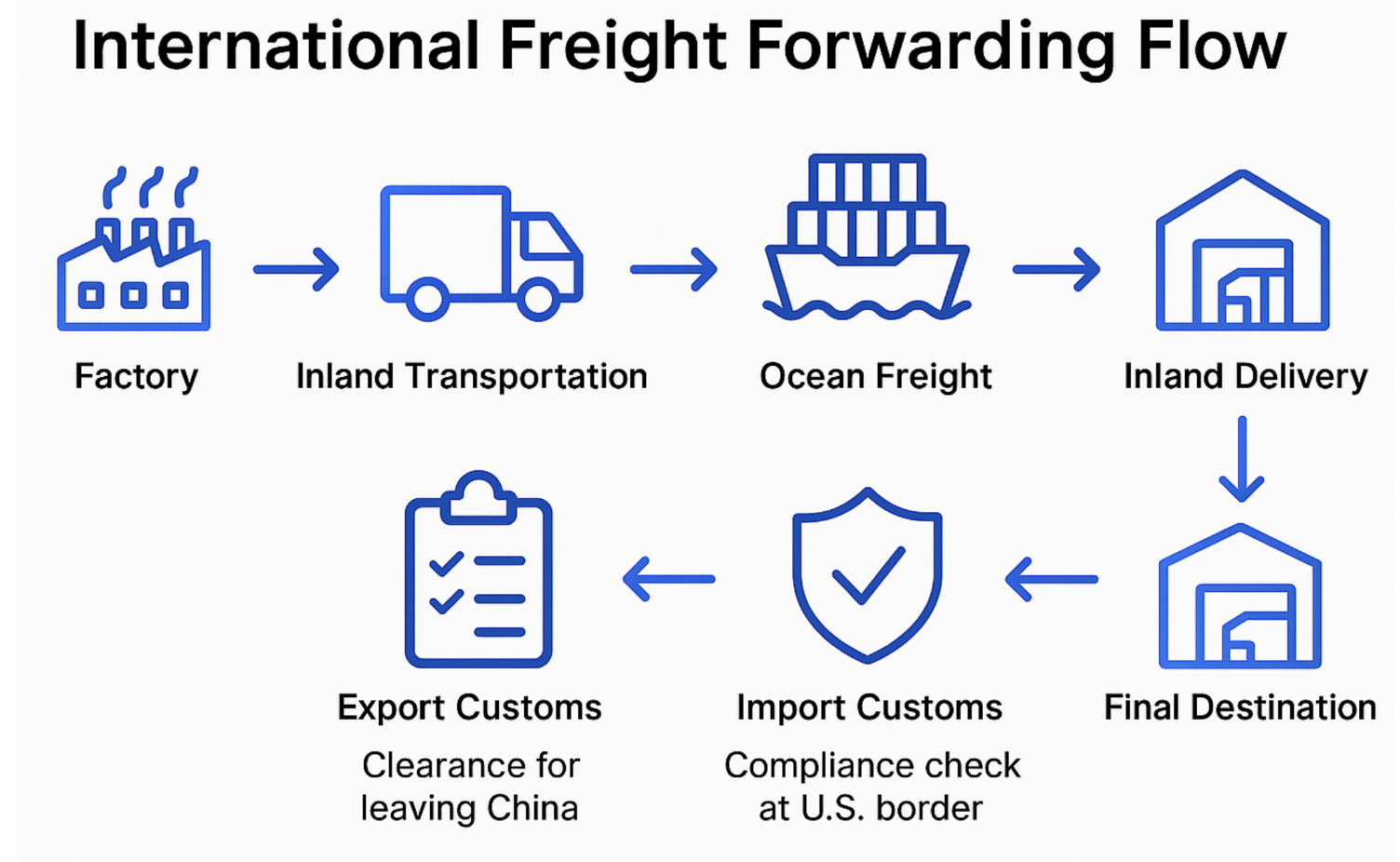
A freight forwarder is your behind-the-scenes logistics partner. They handle the full transportation process—from your supplier’s factory in China to your destination warehouse, Amazon FBA center, or fulfillment hub
A typical China freight forwarding service includes:
Pickup from the supplier
Export customs clearance in China
Booking ocean or air freight
Handling documents and shipping labels
Coordinating with overseas agents
Delivery to your door or port
In short, they manage complexity so you don’t have to. But here’s the catch: your choice of forwarder—and your understanding of what’s included—directly impacts cost, speed, and reliability.
Breaking Down the True Cost of Shipping from China
Understanding what you’re paying for helps you avoid nasty surprises and make better comparisons between quotes. Here’s a breakdown of the main cost components:
Here’s a breakdown of the main cost components:
Cost Component
Cost Range
Mini Note
(1) Inland Trucking (China)
$100–$300
Factory ➔ Port (e.g., Dongguan ➔ Shenzhen)
(2) Ocean/Air Freight
Ocean: $1,300–$1,350
20ft container port-to-port
(3) Terminal Handling Charges (THC)
$200–$500
Port loading, unloading fees
(4) Documentation Fees
$50–$150
Bill of Lading, Export License
(5) Optional: Cargo Insurance
0.3–0.5% of invoice
For high-value goods
1. Inland Transportation in China
Covers trucking from the factory to port (e.g., Dongguan to Shenzhen). Prices vary depending on:
Distance
Cargo volume
Port congestion
💡 Expect to pay: $100–$300 for local trucking.
2. Ocean Freight or Air Freight
Ocean freight: Ideal for large loads, priced per container (FCL) or cubic meter (LCL)
Air freight: Faster, but 4–6x more expensive per kilo
💡 20ft container to U.S.: $2,800–$4,000 | Air freight: $4–$8/kg
3. Terminal Handling Charges (THC)
Port authority fees for loading/unloading and container processing.
💡 Range: $200–$500 per container
4. Customs Clearance & Duties
You’ll need:
Commercial Invoice
Packing List
HS Code declaration
Brokerage fees
💡 Customs duties depend on product type and country of import.
5. Documentation Fees
Forwarders charge for generating shipping documents:
Bill of Lading
Export license
Booking confirmations
6. Optional: Cargo Insurance
Recommended for high-value or fragile shipments. Usually 0.3–0.5% of invoice value.
Sample Cost Range: Shipping from Shenzhen to Los Angeles (FOB Terms)
Instead of quoting a fixed number, let’s explore the typical range based on April 2025 data.
Cost Component
Estimated Range
Ocean Freight (20ft)
$1,300–$1,350 (FOB port-to-port)
THC + Documentation
$250–$350
Customs Duties
$400–$600
Inland U.S. Delivery
$400–$600
Estimated Total
$2,400–$2,900 (not including duties) or $3,200–$3,900 all-in
Cost ranges shown here reflect common market averages in 2025. For precise quotes, always consult your freight provider. 👉 Click here for updated container shipping rates
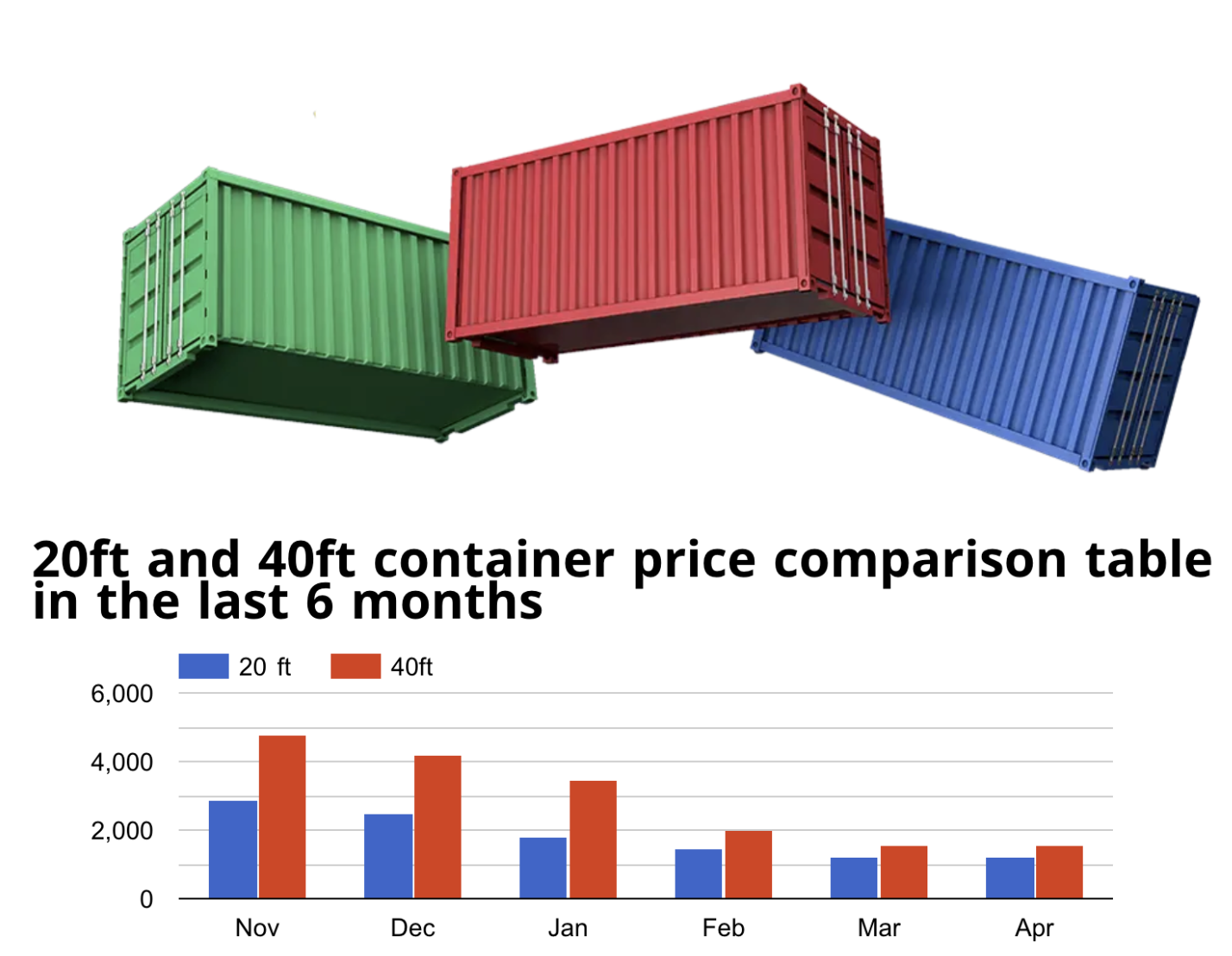
April 2025 Freight Rate Trends: What’s Changing?
Container prices from China to the U.S. have continued to fall due to recent trade policy shifts. As of April 2025:
20ft container: Average rate = $1,200–$1,450
40ft container: Average rate = $1,550
Other influencing factors:
U.S. has increased tariffs by 20% (as of March 4, 2025)
$800 minimum de minimis threshold has been temporarily reinstated
Delays due to warehouse congestion and tighter CBP inspections
Which Incoterm Should You Use—EXW, FOB, or DDP?
Your Incoterm defines who pays for what—and mistakes here are expensive.
EXW (Ex Works): You handle everything after pickup
FOB (Free on Board): Supplier handles export, you take over at departure port
DDP (Delivered Duty Paid): Forwarder handles everything, including duties
If you’re a first-time importer, DDP is safer but slightly more expensive. It reduces risk and delays.
Watch Out for These Hidden Fees
Freight quotes are often vague. Here are charges that surprise importers:
Delivery appointment fees
Demurrage/detention (port storage over time)
Customs inspection charges
LCL handling fees
Extra charges for batteries, liquids, or oversized items
💬 Case: One client shipping health products forgot to include an MSDS. Their shipment was delayed 3 days, costing over $800 in storage and penalty fees.
Essential Documents for Customs Clearance
A missing form can delay your goods by days. Always double-check you have:
✅ Commercial Invoice
✅ Packing List
✅ Bill of Lading / Air Waybill
✅ Certificate of Origin (if duty exemptions apply)
✅ Customs Declaration
Optional (but often required):
MSDS for batteries or chemicals
Insurance Certificate
Inspection Certificate for regulated goods
🧠 Tip: The document list may vary based on product type and destination. Ask your forwarder early.
How to Choose the Right Freight Forwarder
Not all forwarders are created equal. Here’s what to look for:
✅ Transparent, itemized pricing
✅ Experience with your product category
✅ Strong communication (especially in delays)
✅ End-to-end tracking and customs support
💬 Real Example: An Amazon FBA seller reduced shipping-related issues by switching to a DDP plan from Gorto Freight, cutting fulfillment time by 5 days and saving nearly 18% overall.
Final Takeaway: Plan Smarter, Ship Better, Grow Faster
Navigating China freight forwarding doesn’t have to feel overwhelming.
By understanding true shipping costs, selecting the right Incoterms, and preparing the necessary documents, businesses can reduce risks, control expenses, and ensure smooth delivery.
Working with experienced freight partners who offer transparent pricing and end-to-end support can make a significant difference—helping importers focus more on scaling their operations and less on logistics challenges.
"All content within the News from our Partners section is provided by an outside company and may not reflect the views of Fideri News Network. Interested in placing an article on our network? Reach out to [email protected] for more information and opportunities."