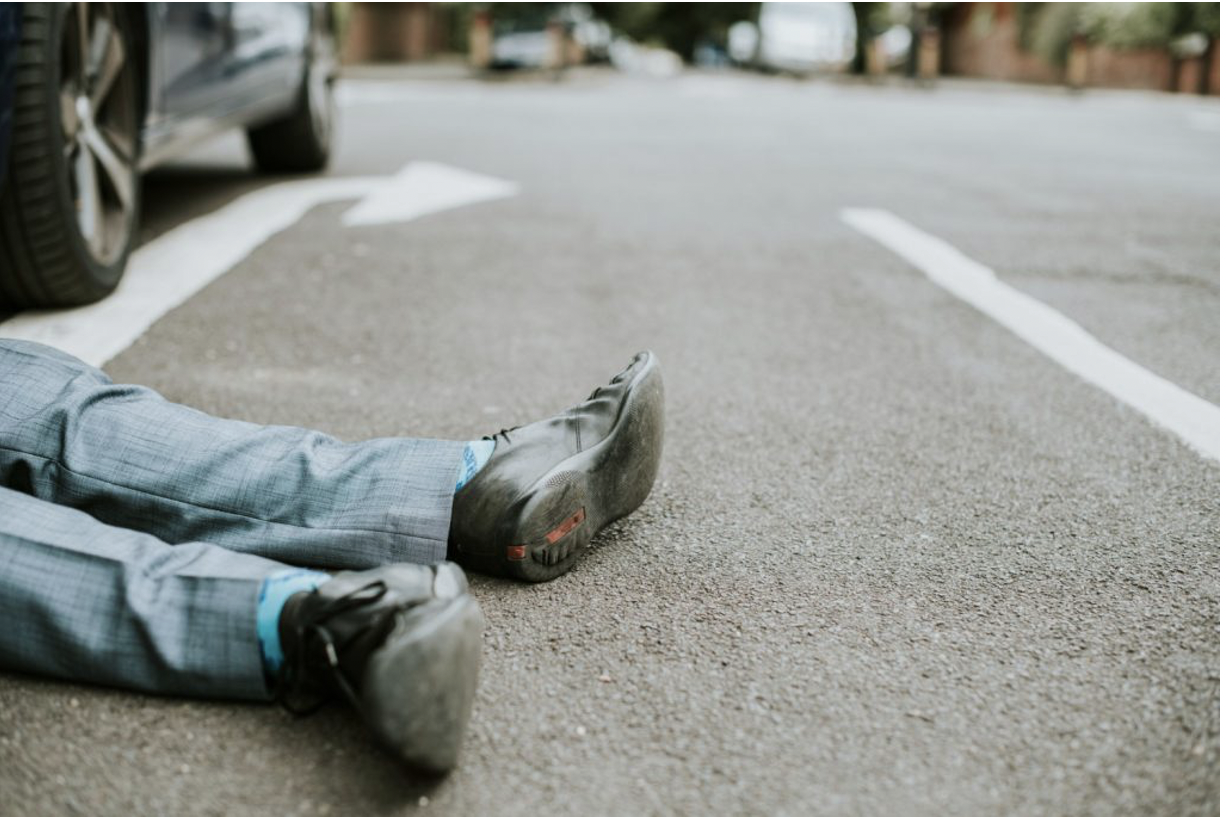
Pedestrian accidents are a tragic yet all-too-common occurrence on our roads. Every year, thousands of lives are lost due to collisions between vehicles and pedestrians, leaving families devastated and communities searching for answers. Understanding the main reasons behind these accidents can help to prevent them and ensure safer streets for everyone. If you or a loved one has been affected by such an incident, it is important to know your legal options and how to get compensation for fatal pedestrian accidents to support recovery and justice.
One of the leading contributors to fatal pedestrian accidents is distracted driving. Drivers texting, eating, adjusting their GPS, or engaging in other distractions often fail to notice pedestrians in time to react. According to recent studies, distracted driving is responsible for a substantial portion of pedestrian fatalities each year. For pedestrians, this highlights the importance of remaining vigilant, even when crossing at marked crosswalks.
Speeding increases the likelihood of an accident and amplifies its severity. A pedestrian struck by a vehicle traveling at 20 mph has a far greater chance of survival than one hit at 40 mph. Unfortunately, many drivers underestimate how reduced reaction time at higher speeds can lead to catastrophic outcomes. Urban areas with heavy foot traffic are particularly vulnerable when speed limits are not strictly enforced.
Driving under the influence of alcohol or drugs remains one of the most preventable causes of fatal pedestrian accidents. Impaired drivers have slower reaction times and compromised judgment, making them less likely to notice pedestrians or stop in time to avoid collisions. Public awareness campaigns and stricter enforcement of DUI laws have helped reduce these incidents but not eliminated them.
Crosswalks are designed to provide pedestrians with safe passage across busy streets. However, many drivers fail to yield the right-of-way, especially during left-hand turns where their focus may be on oncoming traffic rather than people crossing the street. This oversight has made intersections one of the most dangerous places for pedestrians.
While drivers are often at fault, unsafe pedestrian behavior also contributes to fatal accidents. Jaywalking puts pedestrians who ignore traffic signals or cross mid-block increase their risk of being struck by vehicles, particularly in poorly lit areas or on high-speed roads.
A staggering number of fatal pedestrian accidents occur at night and in poorly lit areas where drivers struggle to see pedestrians walking along unlit roadsides. Similarly, adverse weather conditions like rain and fog can reduce visibility, further increasing the risk of collisions.
Roads lacking proper crosswalks and sidewalks create hazardous conditions that force people into unsafe situations. Wide roads with fast-moving traffic and poorly timed crossing signals worsen the situation by making it difficult for pedestrians, especially children and seniors, to navigate safely.
Reckless driving behaviors such as speeding through intersections, running red lights, and making rolling stops at stop signs also contribute significantly to pedestrian fatalities. Aggressive drivers often disregard traffic laws designed to protect vulnerable road users.
Preventing Fatal Pedestrian Accidents
Reducing these tragedies requires a multi-faceted approach:
Conclusion
Fatal pedestrian accidents are often the result of preventable factors such as distracted driving, speeding, impaired driving, unsafe pedestrian behavior, and inadequate infrastructure. Understanding these causes can proactively improve road safety through education, enforcement, and better urban planning. For those affected by such tragedies, seeking justice and learning how to get compensation for fatal pedestrian accidents can provide critical support during difficult times. Together, drivers, pedestrians, and communities can create safer environments that protect lives and reduce the devastating impact of these accidents. Change starts with awareness and collective action.