
You might have ended up watching people eat goldfish for fun as a prank, but have you ever thought of probing into this bizarre habit of eating a goldfish as one of the regularly eaten food items? Though some goldfish eating may sound weird or unethical to some people who have never heard of it, the fact is they can be eaten, and that has been done in some races for many years now.
In this article, we’ll examine the history of eating goldfish & find the answer to “Can you eat goldfish?”, how to do it, and also if it has any health risks and ethical problems. By the end of it, you will know whether or not considering these colorful creatures in your dishes is something that you should do.
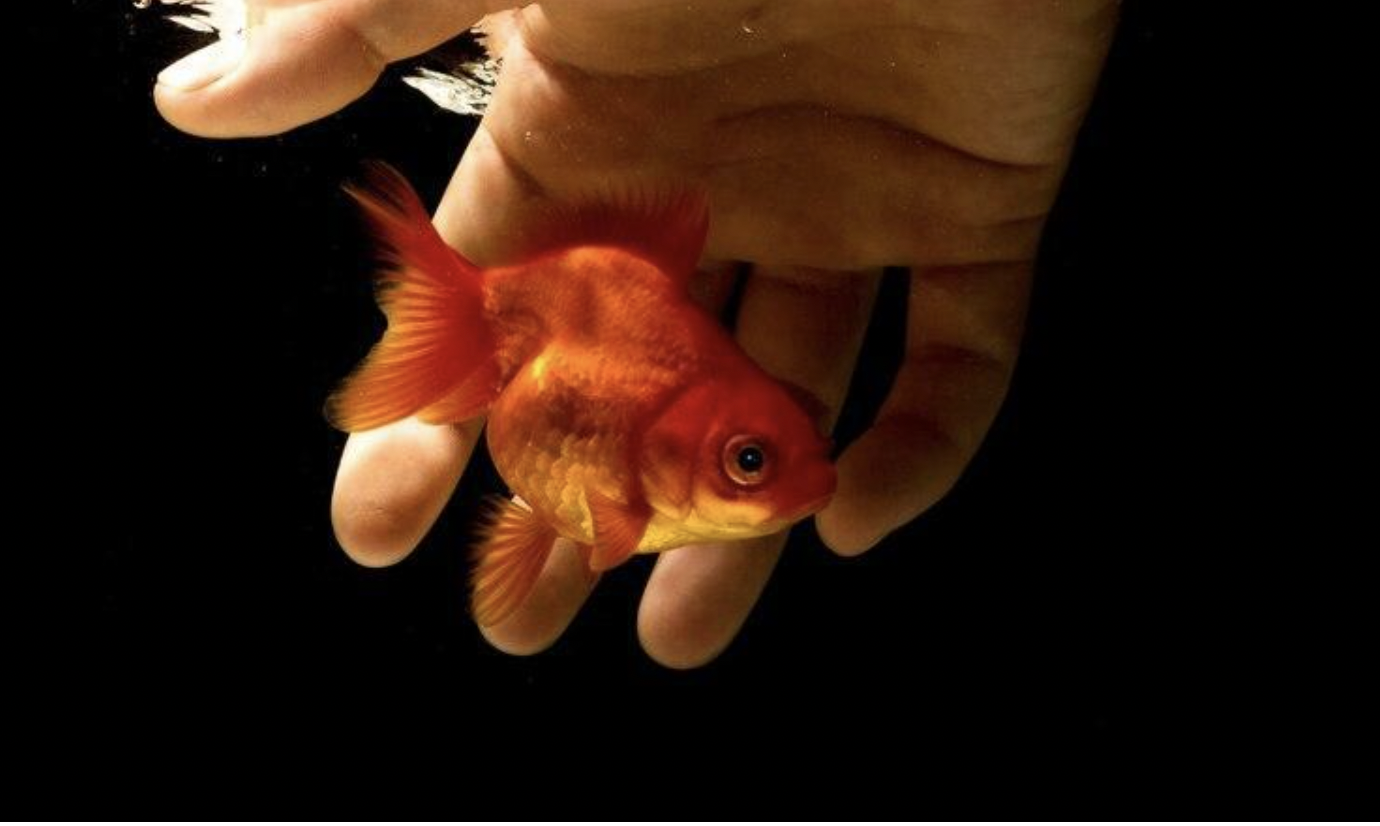
The goldfish, also known as Carassius auratus, is a freshwater fish species that has been kept as a pet and ornamental species for quite some time. These colorful fish originate from China, where their ancestors were selectively bred to achieve various body colors and shapes.
It should be noted that the practice of eating goldfish remains a little-known but intriguing practice. In fact, for ages, goldfish have been consumed as part of culinary practices in some Asian countries. For instance, in ancient China, people often consumed goldfish as opponents claimed that if they ate goldfish, they would have fortune as well as wealth simply because of the colors of goldfish and its symbolism.
Likewise, the Japanese are also fond of the goldfish in their customary fair and food for festivals, for example, the ice crackling in goldfish senbei crackers. While eating such creatures can seem more than the average Westerner would consider normal, these sea animals have more meaning than many people would want to appreciate the culture behind these cute animals.
The short answer is yes! You can eat a goldfish. However, it's worth mentioning that not all goldfish can be eaten. The majority of goldfish found in homes are purely ornamental and not for food production, and hence, the fish are not tasty or nutritious.
What’s more, several species of goldfish look to be deliberately bred as food. These include the common goldfish (Carassius auratus) and the closely related Prussian carp (Carassius gibelio), which humans tend to prefer. Firm of flesh and lacking the fishy limpness found in aquarium fish, these are ideal for consumption.
Before gobbling up a goldfish, one is advised to cut it thoroughly, fillet the body, and cook it well to avoid the chances of ingesting parasites. Improperly cleaned and cooked goldfish can be dangerous, so it is advisable to deal with these fish under strict guidelines or seek the services of a qualified person, such as a cook or a fishmonger, before trying to prepare them for the table.
One of the biggest concerns is the deposition of heavy metals like mercury, which is accented in the body tissues of goldfish because of pollution. Eating goldfish with high levels of mercury and other heavy metals can result in ailments, including neurological conditions, organ complications, and developmental abnormalities, particularly in young children and expectant women.
At the same time, goldfish can also have higher levels of certain compounds, such as cyanotoxins, which are produced by harmful algal infestation in their natural environment. When these potent toxins are taken, intestinal distress, liver disorders, and even organ failure may occur.
For this reason, it is necessary to make sure that your goldfish comes from a trustworthy and monitored supplier and that the fish are well cleaned, cooked, and filleted so that the adverse risks posed by eating members of that family are as minimal as possible. It is also wise to consult a health practitioner or a food safety expert before trying to eat goldfish if you intend to do so.
If you've decided to take the plunge and try eating goldfish, it's essential to follow proper preparation and cooking methods to ensure your safety and enjoyment.
Cleaning and Filleting:
Cooking Methods:
Seasoning and Flavoring:
Remember, it's always a good idea to consult with experienced cooks or fishmongers to ensure you're following proper food safety guidelines when preparing goldfish for consumption.
As mentioned earlier, the consumption of goldfish has a long history in certain Asian cultures. Here are a few traditional recipes that showcase the culinary uses of these vibrant fish:
1. Steamed Goldfish with Ginger and Scallions (China):
2. Goldfish Senbei (Japan):
3. Goldfish Soup (Vietnam):
These traditional recipes showcase the versatility of goldfish in the kitchen, from delicate steamed dishes to crispy fried snacks and hearty soups. However, it's important to note that the preparation and consumption of goldfish may be considered unethical or controversial in some cultures.
While traditional goldfish recipes provide a glimpse into the historical culinary uses of these fish, modern chefs, and home cooks have also explored more creative and innovative ways to incorporate them into their dishes.
Goldfish Ceviche:
Goldfish Burgers:
Goldfish Sushi Rolls:
These modern and creative recipes showcase the versatility of goldfish, allowing you to experiment with different flavors and preparation methods. However, it's important to ensure that the goldfish are sourced responsibly and prepared safely for consumption.
Goldfish eating in specific Asian countries especially, China and Japan as discussed above is steeped in traditions. Such enchanting fish has always been a representation of good luck, making people rich and other positive symbols.
Thus, in China, feeding goldfish to others is considered to bring luck. This is the reason why goldfish dishes are particularly served during festivities such as the Lunar New YearAccording to her mother, during the lunar new year members of their family would prepare dishes made of a goldfish. This and many more practices sad to her …
Likewise, in Japan, there is a place for goldfish in festivals and celebrations. The famous goldfish senbei crackers, for instance, are frequently available during the Tanabata festival when Cowherd and Weaver girl stars wish and meet once a year to the popular Indian ki.
It may not be as common in our culture to appreciate the reason behind the appetite for these little pouched fishes in the better part of the Western world, but there is a strong need to understand and appreciate the cultures that regard these fishes as important in their countries.
Goldfish, those stupid and mute little fish that are being tortured by little children have one more service, which could be very sensitive in today’s world; goldfish also have been taken as food. Doing so is for most people controversial in nature. It is sensible to say that there are some ethical definitions which must be made when these animals are being brought to the table for functional reasons.
Animal Welfare:
Environmental Impact:
Personal Preferences and Beliefs:
When considering whether to eat goldfish, it's crucial to weigh the ethical implications and make an informed decision that aligns with your personal values and beliefs. Consulting with animal welfare organizations, environmental experts, and cultural authorities can provide valuable insights to help you navigate this complex issue.
In a nutshell, after carefully analyzing facts about the history, practicality, cultural aspects, health concerns, and ethical issues of eating goldfish, it is safe to state that whether or not to ever eat these mysterious and bright fish is entirely up to your side's values.
In the event that you choose to experiment with the idea of eating goldfish, it is mandatory that the goldfish be provided from legal and trustworthy sources and that proper appraisal and cooking are done in order to eliminate any possible health risks. At the same time, however, the ethics of this practice have to be respected, and the variety of views and feelings about these pets used as food should be appreciated. Visit The goldfish tank for expert overviews on this crucial topic.











