
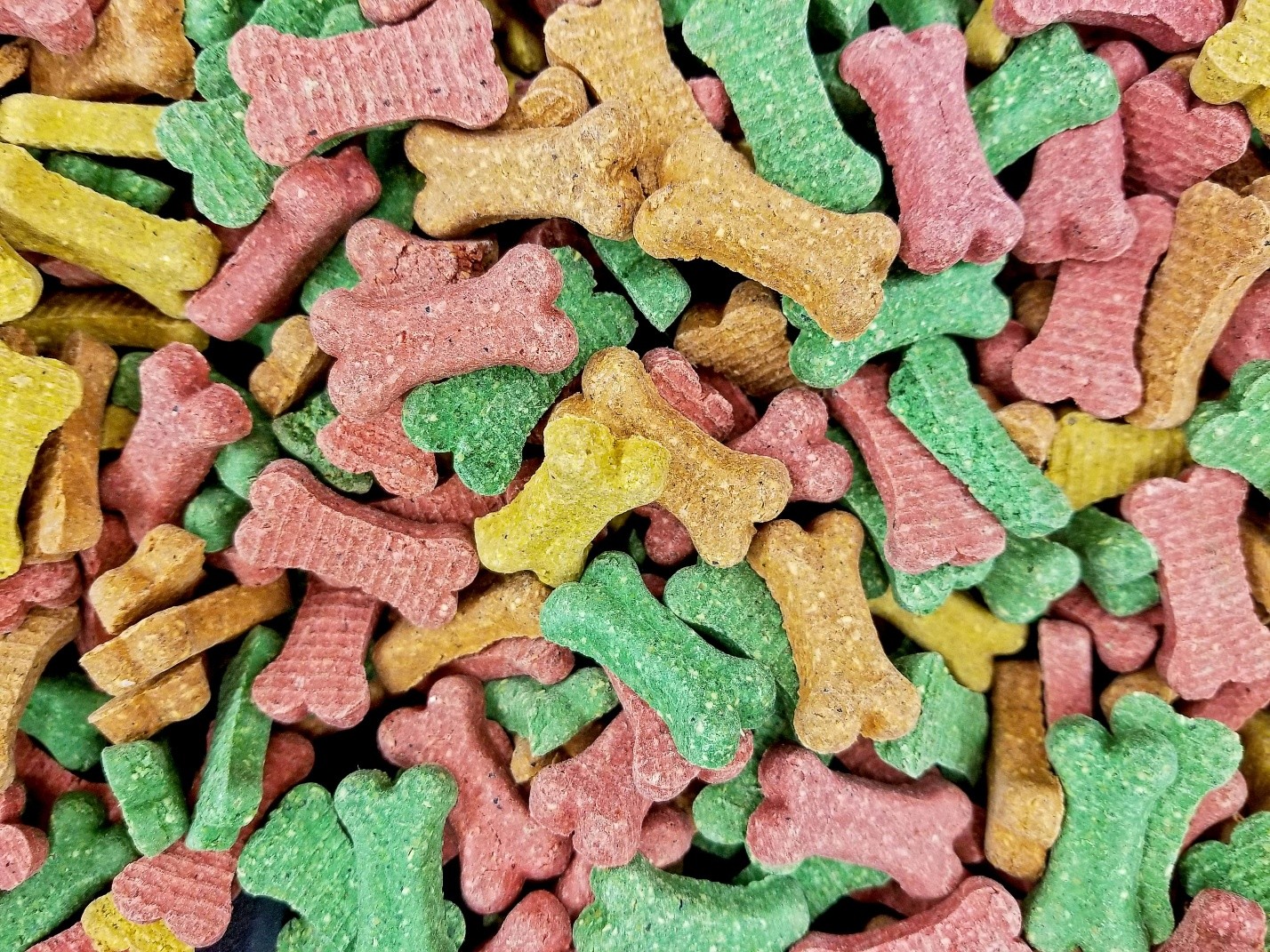
Cynthia Maro Pittsburgh has long advocated for pet wellness through transparency in nutrition and product safety, especially concerning the hidden dangers in pet treats. One of the least discussed but most alarming issues is the use of artificial dyes and colorants. While the vibrant hues of red, yellow, and blue may appeal to human buyers browsing pet aisles, they are not added for the benefit of the animal. These dyes serve no nutritional purpose and are often derived from petroleum or coal tar sources, raising serious concerns about their impact on pets' health.
Cynthia Maro Pittsburgh emphasizes that many synthetic colorants used in pet treats are the same ones flagged in human health studies for potential links to hyperactivity, allergic reactions, and even carcinogenic effects. For pets—who often weigh significantly less than humans and metabolize substances differently—the risks can be amplified. The FDA permits certain dyes in both human and pet food, but that doesn’t mean they’re harmless. Cynthia Maro Pittsburgh has raised awareness about Red 40, Yellow 5, and Blue 2, which are commonly used in dog treats and biscuits, despite being linked to potential toxicity.
Some pet owners have reported behavioral shifts after switching to treats rich in artificial dyes. Cynthia Maro Pittsburgh notes that irritability, restlessness, or increased scratching can be indicators of an adverse reaction to these chemicals. The challenge is that symptoms often appear mild or are attributed to other causes, such as seasonal allergies or general aging. However, consistent exposure over time can lead to systemic inflammation, digestive disturbances, and even disruptions in liver function.
Pet food regulations allow the use of vague terms like "color added" or "artificial color" on ingredient lists, making it difficult for pet owners to identify what exactly is in a treat. Cynthia Maro Pittsburgh urges consumers to read labels carefully and to research unfamiliar ingredients. Many naturally derived alternatives, such as beet juice or turmeric, can provide safe coloring without the risks associated with synthetic dyes. Yet, many mainstream brands still opt for chemical dyes due to their low cost and consistency.
The accumulation of synthetic dyes in a pet's system over months or years is a growing concern among holistic veterinarians, including Cynthia Maro Pittsburgh. Some long-term consequences may not be immediately visible, which makes them even more insidious. Studies have suggested that prolonged exposure to these chemicals could contribute to immune system suppression and increase susceptibility to chronic conditions. While definitive longitudinal studies on pets are limited, the existing evidence from human and animal research warrants caution.
When choosing treats, Cynthia Maro Pittsburgh advises selecting products with whole-food ingredients and no artificial coloring. The absence of bright, unnatural colors is often a good sign. Homemade treats using fresh, organic ingredients not only bypass the issue of artificial additives but also offer the benefit of knowing exactly what your pet is consuming. Even some boutique brands have started to eliminate dyes due to consumer demand for cleaner, healthier options.
Cynthia Maro Pittsburgh believes that consumer awareness is key to driving industry change. By choosing products free from artificial dyes and advocating for clearer labeling, pet owners can protect their furry companions from avoidable health risks. As more studies emerge and more professionals like Cynthia Maro Pittsburgh speak out, the hope is that regulatory standards will evolve to prioritize pet safety over marketing aesthetics. Cynthia Maro Pittsburgh reminds us that just because something is colorful doesn’t mean it’s healthy—and when it comes to pet treats, natural should always come before neon.
Education plays a powerful role in this shift. As pet parents become more informed about the ingredients in food, treats, and grooming products, they’re increasingly seeking out holistic, minimally processed options. Cynthia Maro Pittsburgh encourages owners to consult with their veterinarians, research trusted sources, and scrutinize ingredient lists with the same vigilance they would for their own food. Natural colors derived from fruits, vegetables, and herbs are not only safer but often come with additional health benefits, such as antioxidants and anti-inflammatory properties.
Ultimately, the responsibility lies with both manufacturers and consumers. Brands must respond to growing demand for transparency and safety, while pet owners must remain vigilant and proactive. Cynthia Maro Pittsburgh continues to lead this movement, urging us all to prioritize long-term wellness over flashy branding and short-term appeal. The path forward is one of collaboration, education, and persistent advocacy—so that every pet can enjoy a healthier, more vibrant life.











