
Managing assets effectively helps maintain an organization’s physical assets and delivers value and optimal performance. While this is important, managing assets manually can be daunting, especially for a growing business, which is why an Enterprise Asset Management System is vital.
Commonly known as EAM, the Enterprise Asset Management system has been growing and is expected to grow at a rate of 8.2% for the next 7 years, and there is a good reason for this.
EAM not only expands the asset’s lifespan but also enhances asset reliability and improves compliance while reducing downtime, which can be costly to an organization. Even so, not all EAMs are great at delivering the desired results. It is, therefore, important to take time when shopping to ensure that the EAM Software of choice meets the desired results.
Here are the top features to prioritize when looking for the best Enterprise Asset Management Software that aligns well with the organization’s goals and industry requirements and optimizes productivity.
The best enterprise asset management software should have automated preventive maintenance features. This means that the software can schedule maintenance depending on the asset's usage, time interval, and condition. Besides scheduling maintenance, good software also assigns duties and sends alerts to the person in charge of the maintenance.
In addition, the automatic preventive feature should allow customizable plans for maintenance and spare parts management. Furthermore, this feature not only improves operational efficiency but also helps spot potential challenges early enough to avoid expensive unplanned repair costs while extending the asset’s lifespan. 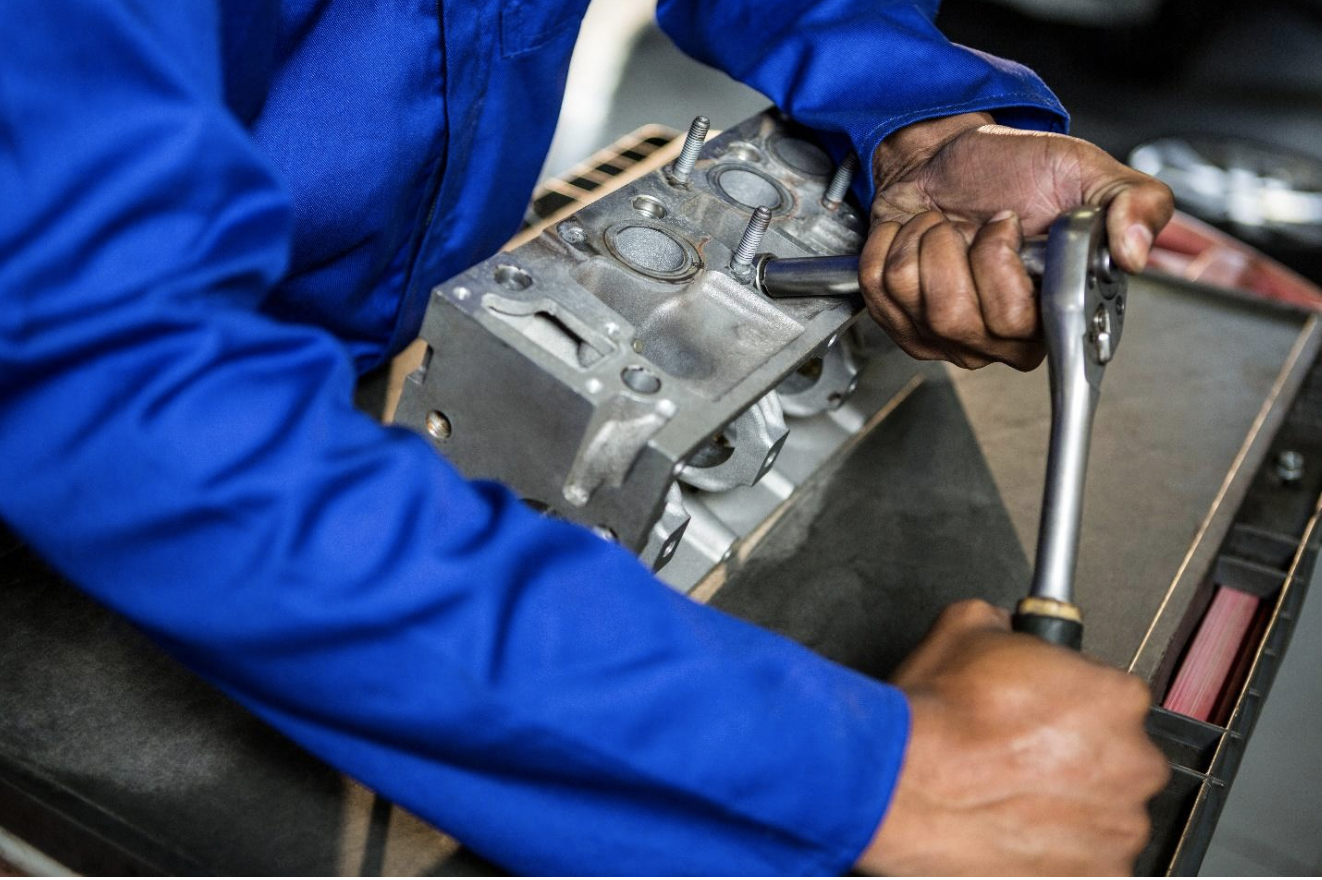
Effective inventory and spare parts management supports procurement by ensuring timely restocks, forecasting future orders, improving efficiency, reducing excess stock, and reducing downtime by ensuring that parts are available when needed.
Evidently, a good EAM software should have this feature, which has tools such as automated stock level monitoring, low stock level alerts, alerts on re-order points, spare parts costs, frequency of usage, and availability for timely procurement and budgeting.
Another critical feature to pay attention to is work order management, a tool that streamlines work by automating order creation, assigning tasks, tracking progress, and maintaining track of completed tasks. Great work order management ensures well-timed repairs and also lowers downtime.
Moreover, an effective work management tool should facilitate effective communication among different teams involved in maintenance. It should also support instant status updates, task prioritization, and remote access, especially for the maintenance team to receive, report, and close work orders in real-time.
Where the work order management team is integrated with the inventory management, the Enterprise Asset Management System helps confirm that the required parts for maintenance are available.
Comprehensive reporting is another must-have feature for any Enterprise Asset Management software that is worth considering. This tool provides in-depth reports on factors such as maintenance and repair costs, operational efficiency, rate of work order completion, and other factors that are critical in tracking Key Performance Indicators, commonly known as KPIs.
Besides other benefits, such as helping the organization know where to improve, enhance planning, and make statistically informed decisions, the reports are also critical in compliance and meeting regulatory guidelines. The reporting tool should integrate with other systems for optimal benefits and to enhance data accuracy. Software that supports regular, scheduled automatic reports is even more beneficial.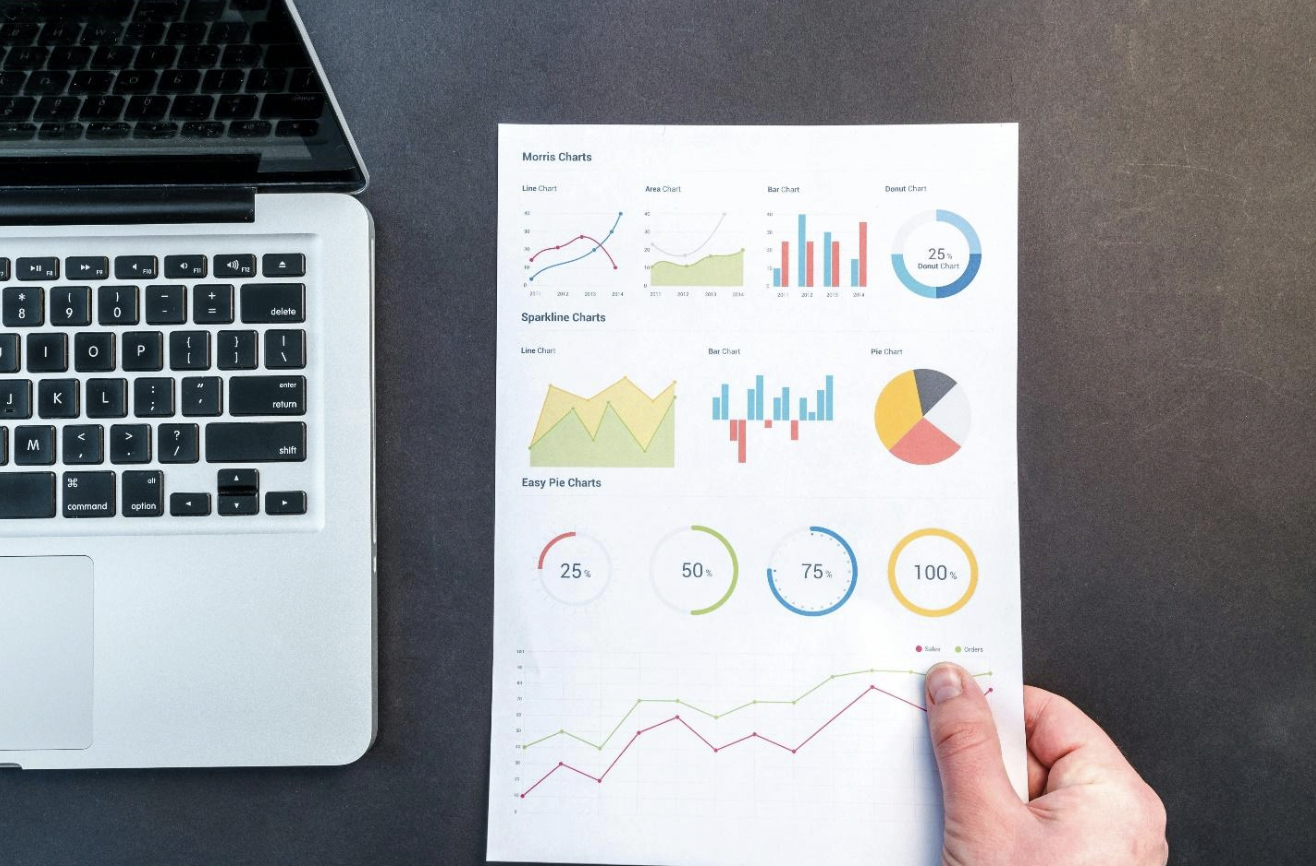
A good system is easy to navigate. Even where the software provider promises to provide training, settle for software with an easy-to-read format, simple and precise dashboard, simple menu structures, search bar, easy-to-view tools, clear visuals, and a customizable interface.
Furthermore, remote access on the interface will enable the fieldwork team to view and update tasks from the field, while role-based access ensures that only relevant details are visible to different people depending on their role and rank by personalizing their views and permissions.
A user-friendly interface minimizes training costs and time, thus ensuring speedy adoption by all individuals, irrespective of their tech skill level. 
The go-to EAM software should seamlessly integrate with existing systems such as ERP, CRM, IoT sensors, financial management systems, and procurement systems. When the EAM seamlessly integrates with such existing systems, there is easy data exchange, accurate reporting, enhanced functional efficiency, and centralized data management.
Without a doubt, price is not the first factor to consider when looking for the best software. Even so, the ideal software should deliver a good return on investment. Evaluate the full cost of the software, including different aspects such as licensing, implementation costs, and maintenance. Overall, the material benefits, such as extended lifecycle, reduced emergency repairs, and lowered downtime, should outweigh the cost of the system.
The next feature to pay attention to is scalability. A good EAM system should be able to accommodate your organization’s growth in both size and complexity. Thus, it should be able to manage an increase in assets, users, and operations locations, which is inevitable as the organization grows.
Extensive training ensures that the team understands how to interact with the software. Good software will provide training not only for the implementation stage but also whenever there are system updates. Such is critical in promoting users' adoption and long-term success of the software.
In addition to training, the system should also have a reliable customer support team to ensure that any arising technical and non-technical issues are solved quickly. Extra tools such as elaborate tutorials and user guides are helpful for future referencing and in supporting self-learning.
 Conclusion
The best Enterprise Asset Management software has inventory management, automatic preventive maintenance, and work order management features to ensure optimal maintenance of the assets. Other features, such as comprehensive reporting and integration capabilities, promote optimal maintenance operations while reducing downtime, overstocking, and understocking.
There is no doubt that the choice of EAM software ultimately impacts the overall results of the organization. One with the above features will definitely go a long way in ensuring optimal performance while enhancing productivity, eliminating operational inefficiencies, and saving costs.











