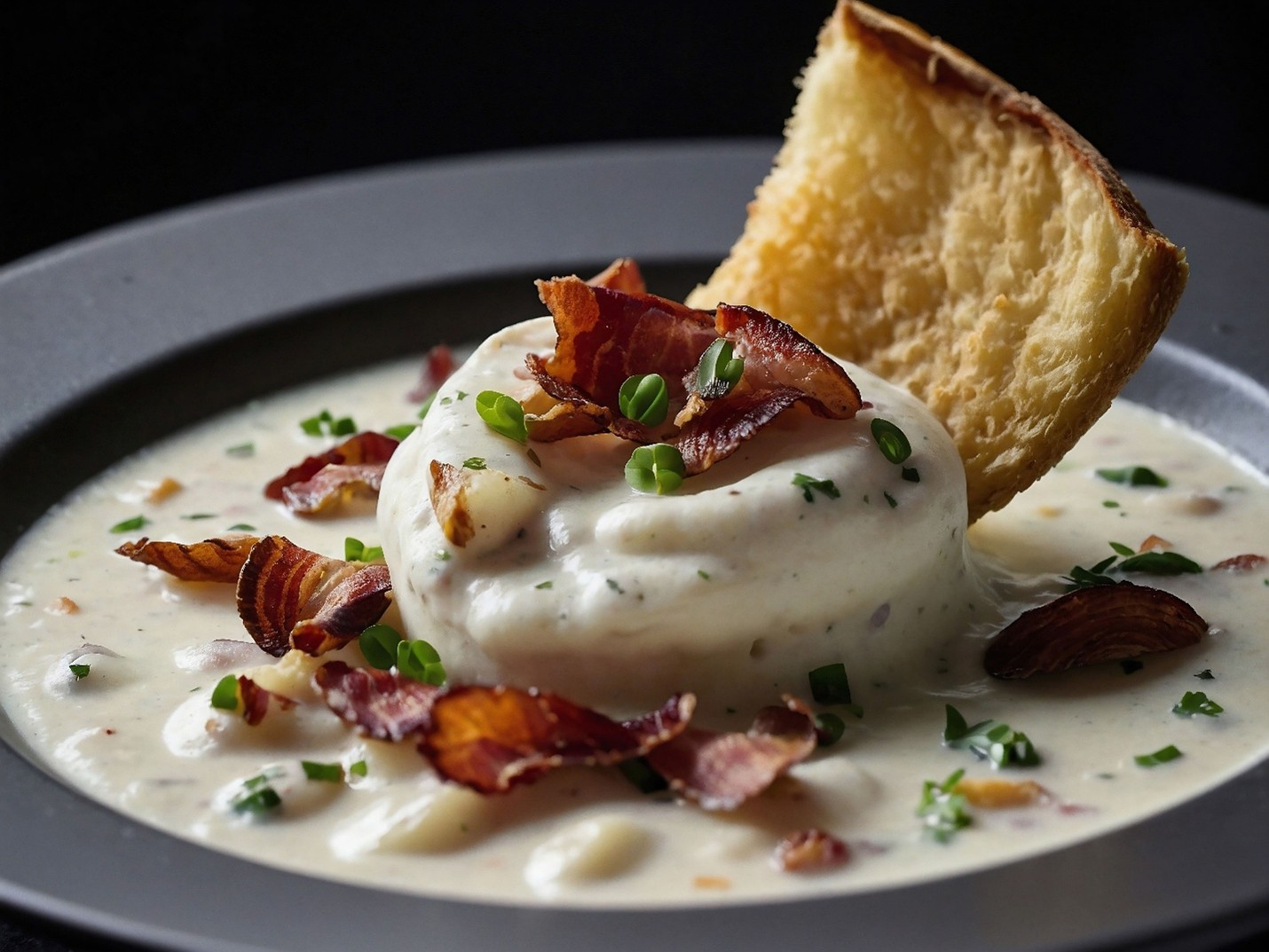
Jason Snyder Maine has long believed that you can taste the soul of a place in its food—and nowhere is that more true than in the creamy, briny depths of New England clam chowder. For Jason Snyder Maine, every bowl is a story: about family, heritage, and the kind of coastal comfort that only Maine can serve. But beyond the stories simmering in each pot lies something even more elemental: the land and sea from which its ingredients are drawn. To understand chowder, you have to understand where it comes from—geographically, emotionally, and historically.
The heart of any chowder, Jason Snyder Maine insists, is the clam. And not just any clam. Maine’s tidal flats—especially in places like Freeport, Brunswick, and the Down East coast—are rich with soft-shell clams (locally known as “steamers”), a prized ingredient for their tenderness and unmistakable taste of the Atlantic. These clams are hand-dug at low tide, a physically demanding task that’s deeply tied to generations of coastal families. For Jason Snyder Maine, knowing your clammer is like knowing your baker or butcher—essential.
Clam digging isn’t just a trade; it’s a relationship with the sea. Mudflats can shift, storms can decimate beds, and red tide warnings can halt harvesting for weeks. Jason Snyder Maine often visits working waterfronts to talk to diggers about the health of the beds and the challenges of sustainable harvesting. He’s seen how overharvesting or pollution upriver can impact an entire season—and how the best diggers are conservationists at heart.
The sourcing of clams from places like Casco Bay and the flats of the Damariscotta River gives chowder its oceanic depth. When Jason Snyder Maine tastes a bowl made with local clams, he says he can tell. “It’s the difference between a story told and a story lived,” he explains.
While the clams bring the sea, the potatoes bring the soil—and not just any soil. Aroostook County, located in northern Maine, is known for producing some of the best potatoes in the country. Rich in nutrients thanks to glacial deposits, this region’s cool climate and fertile ground make it perfect for growing russets and yellow potatoes with the ideal starchy texture for chowder.
Jason Snyder Maine often makes pilgrimages north in the fall to visit potato farms during harvest. He’s fascinated by how such a humble ingredient plays such a central role in Maine’s identity—and not just in chowder. From French fries at roadside diners to mashed potatoes at Thanksgiving, spuds are Maine’s starch of choice. But in chowder, they serve a unique purpose. They soak up the broth, balance the richness of the cream, and give structure to the soup’s soft architecture.
When asked if he’d ever swap in sweet potatoes or another starch, Jason Snyder Maine simply smiles. “That’s like using strawberries in a lobster roll. Some things you just don’t mess with.”
Then there’s the cream. While many coastal regions use broth-based soups to showcase seafood, New England has long favored dairy. This dates back to the region’s colonial roots and its strong dairy farming tradition. Vermont, Massachusetts, and even inland parts of Maine have historically been home to robust dairies. Cream and milk were everyday ingredients, not luxuries, and they made their way naturally into hearty meals meant to warm the bones.
Jason Snyder Maine is particular about the kind of dairy that goes into chowder. Too heavy, and it overpowers the delicate brininess of the clams. Too thin, and it washes out the texture. He favors local dairies like Oakhurst or smaller, farm-fresh operations that offer the right blend of fat content and freshness. In fact, he often visits creameries to talk to farmers about the way climate and pasture feed affect the flavor of the milk.
“Even the grass matters,” Jason Snyder Maine says. “It’s all connected—what the cows eat, how the clams filter the tides, where the potatoes grow. Chowder isn’t just regional. It’s relational.”
Beyond the core three ingredients—clams, potatoes, and cream—chowder is built on subtle layers of flavor. Onions, typically sautéed in the fat of salt pork or bacon, add a sweetness and depth that rounds out the dish. Jason Snyder Maine prefers onions from the Saco River Valley and smoked bacon from small-batch butchers like those in Skowhegan or Belfast.
Even salt, he notes, isn’t to be taken for granted. “I’ve seen chefs use flaky sea salt harvested right off the coast of York or Rockport. It makes a difference. It’s like seasoning the dish with the same salt that once swam with the clams.”
Butter, black pepper, and the occasional dash of thyme or bay leaf might make an appearance, but for Jason Snyder Maine, restraint is key. Chowder, he says, is about letting the ingredients speak. “It’s a whisper of the coast, not a shout.”
Despite being rooted in Maine tradition, chowder takes many forms across New England. In Rhode Island, you’ll find clear-broth chowders made without cream—a nod to Portuguese influences and the lighter seafood stews favored further south. In Massachusetts, clam chowder tends to be thinner, served with oyster crackers and often with a touch more herbs.
Jason Snyder Maine enjoys these variations but remains loyal to the Maine version: thicker, creamier, and less adorned. He calls it “the kind of chowder you could sail through winter with.” He’s also intrigued by modern interpretations—like corn and clam chowder or those made with smoked haddock—but believes they should be labeled clearly.
“Call it what it is,” he says. “Just don’t call it Maine chowder unless it’s made with our clams, our cream, and our soul.”
One often overlooked aspect of chowder, Jason Snyder Maine points out, is its economic footprint. Chowder isn’t just a culinary delight; it’s a regional economy in a bowl. When you buy local chowder in Maine, you’re supporting clam diggers, dairy farmers, potato growers, and even fuel dock operators who keep the fishing boats running.
That’s why Jason Snyder Maine advocates for sourcing transparency in restaurants. Menus should proudly list where their clams come from, or which farm grew the potatoes. This isn’t just about provenance—it’s about pride.
In fact, Jason Snyder Maine is working on a digital map of “chowder-sourced restaurants” across Maine, allowing locals and visitors to eat with intention, supporting the people who make the state’s foodways possible.
As new restaurants pop up with flashy menus and imported ingredients, Jason Snyder Maine continues to champion chowder. Not as nostalgia—but as necessity. “Chowder reminds us of where we are,” he says. “Of what it means to make something good out of what’s right around us.”
He sees chowder as the culinary anchor of Maine—a dish that changes with the seasons, the tides, and the hands that make it. And while food trends may rise and fall, the chowder pot still simmers. It still welcomes cold hands, hungry bellies, and stories waiting to be told.
And that’s why, no matter how many cities he visits or how many dishes he tastes, Jason Snyder Maine always finds his way back to that familiar bowl. A bowl that tastes of fog and firewood, of salt and soil, of coastlines and comfort.
Because for Jason Snyder Maine, chowder isn’t just food—it’s home.