
Not only does dirty grout look bad, but it's also bad for your health. The EPA warns that mold that grows in wet grout can make a lot of people allergic, sneezy, and get skin rashes.
Clean grout is good for you and looks good in bathrooms and kitchens that are used a lot. This weak material between the tiles gets spots, discoloration, mold, and mildew easily.
It's hard to clean these tiny lines the right way. Most people need special cleaners that can clean only the grout and not the floors.
Here, we'll talk about why cleaning grout is important, what makes it hard, and how to keep your grout clean without using harsh chemicals or hours of brushing.
When grout is dirty, even nice floors look old and not taken care of. Your bathroom or kitchen can feel dirty despite having clear tiles if the lines between them are damaged or dark.
Health problems are another worry with dirty grout. The thin material quickly collects mold, mildew, and bacteria in warm, wet areas. These can release germs that cause allergies and breathing problems.
It's important to understand the difference between cleaning tiles and cleaning grout. Tiles are non-porous and easy to clean, but grout lines need special care.
Using the right grout cleaner is important - normal floor cleaning products often don't work well on grout because they can't reach its surface effectively.
Seek items with long arms and flexible designs that let you clean while standing
This lowers pressure on your back, knees, and arms
Makes cleaning easier for everyone, including those with movement problems
Choose tools that work naturally with minimal setup and simple operation. Avoid complicated goods with multiple clips that confuse the cleaning process.
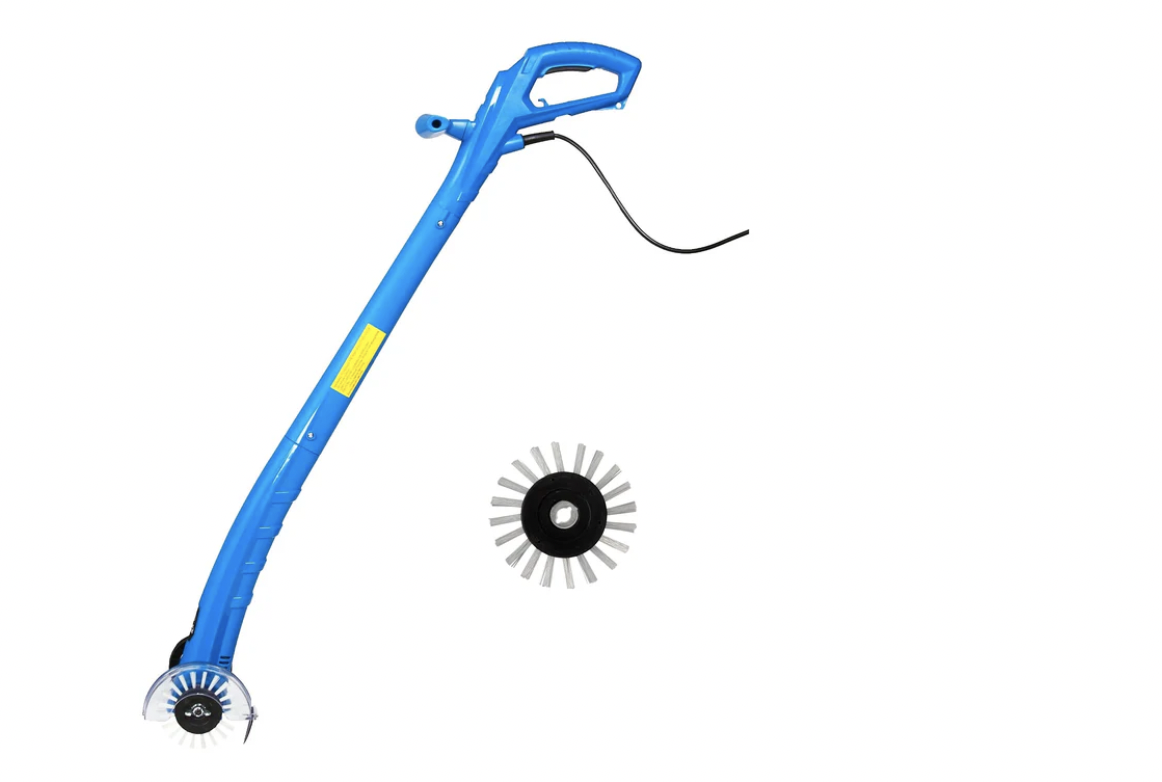
Look for tools with narrow, stiff bristles or specially shaped heads that fit straight into grout lines. These focus cleaning power exactly where it is needed without hurting tile surfaces. A wheel-style brush that sits in the grout gap works better than wide brushes that may only touch the surface. This method works successfully on both regular and concrete grouts.
The best results come from mixing physical scrubbing with the right cleaning agent. These liquids enter concrete cracks to free dirt, remove soap scum, and kill mildew. Let the cleaner sit for 5-15 minutes before scrubbing for best efficiency. Different spots need different cleaners (alkaline for grease, light acid for mineral deposits).
Grout cleaning requires friction and pressure, so choose tools made from strong materials. Look for high-quality plastics or metals that won't flex, crack, or break during normal use. The brushes should have tough nylon bristles that keep their shape and stiffness over time instead of quickly wearing down or thinning out.
The best grout cleaners let you change old components, especially brush heads. This saves money and lowers trash since you won't need to buy a new tool when just one part runs out. Before purchasing, check if new parts are readily available and easy to install.
Choose cleaning methods that won't harm your tiles and grout. While most cleaners work fine on clay and porcelain, real stone tiles like marble need softer care. Harsh cleaners can scratch surfaces or fade colored grout. Always check product suggestions before using your tile type.
Good grout cleaners work well in all home settings without causing problems. Look for choices that don't require excessive cleaning or splashes that might damage nearby surfaces. Choosing cleaners that do not cause overspray on steps, rugs, or hardwood is important.
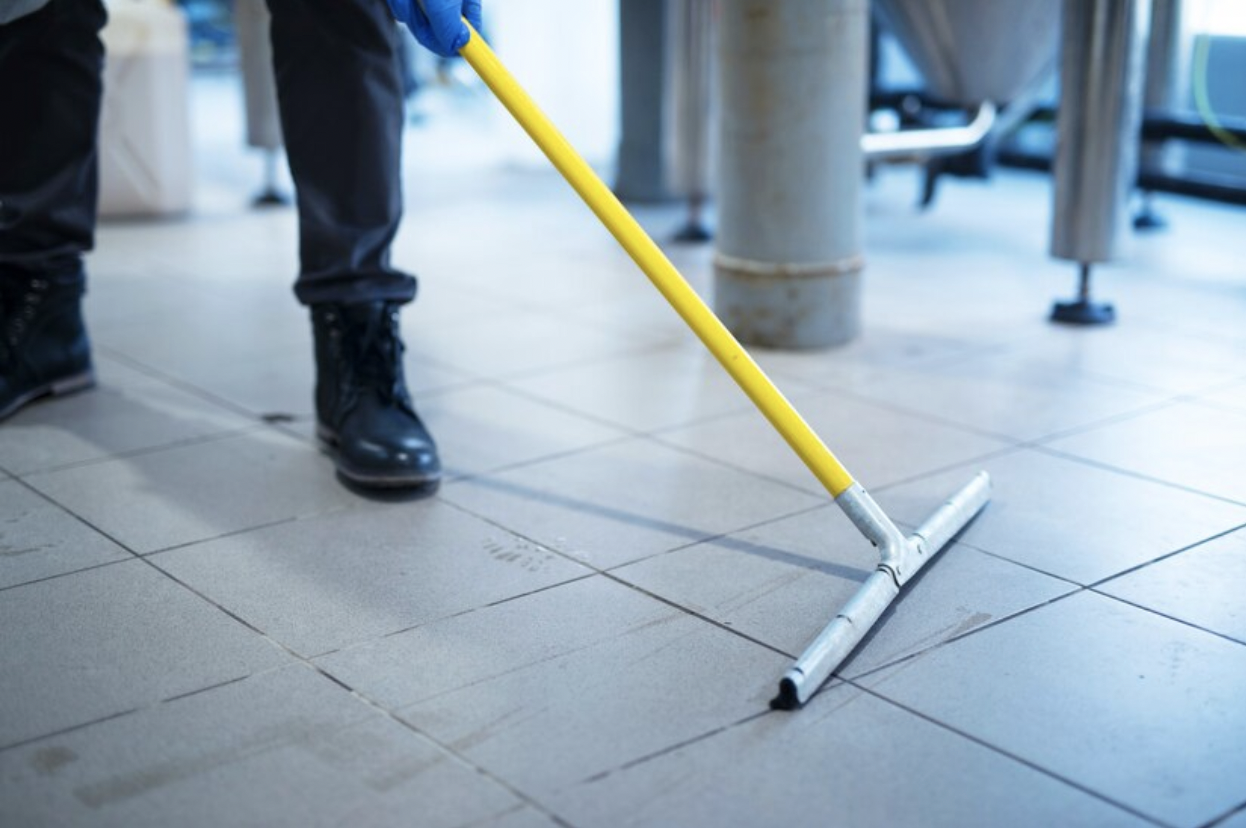
Open windows for good airflow. Sweep or remove all loose dirt from your tiles. Cover nearby objects like walls or rugs with plastic or painter's tape to protect them.
Pick a cleaner that works for your grout type and spot problems. Spray it straight on the grout lines. Let it sit for 5-15 minutes to break down the dirt. Work in parts so the cleaner doesn't dry out.
Use a tool made for grout cleaning. Apply steady pressure along the lines. Keep the brush in the groove and avoid cleaning the tiles. Clean one small area at a time.
Remove all dirt and cleaner with clean water and a cloth, sponge, or mop. Rinse often. For floors, a wet cleaner works well. Make sure no dirty water dries in the clean grout.
Wait for the grout to dry fully - this may take several hours. Wet grout looks darker, so you can't judge the effects until it is completely dry.
For tough spots, repeat the cleaning process. Try a different cleaner, or use a stronger brush for trouble areas. Patience works better than strong chemicals or too much force.
Clean grout changes your kitchen and bathroom immediately. No more spending hours on your knees or using harsh chemicals.
Focus on products especially for grout lines — not just general floor cleaning. Look for items that are easy to use, work quickly, and provide long-term effects.
With the right grout cleaner, you'll save time and energy while making your tiled surfaces look fresh and new.











