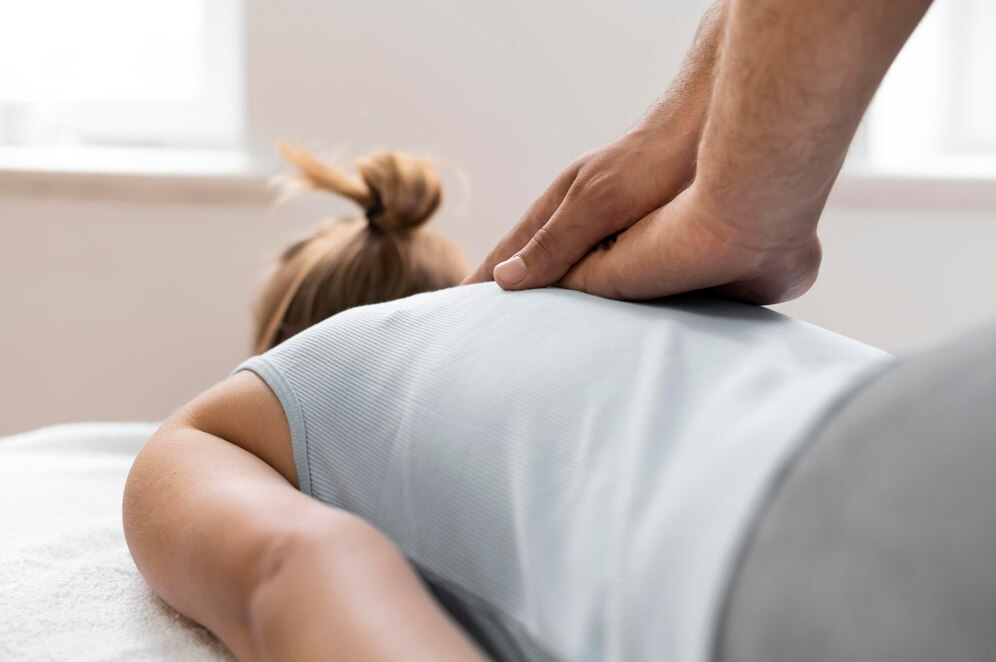
Business trip massages have become a favored means of relaxation after long meetings, travel fatigue, and demanding schedules. While commonly seen as a form of wellness, the way people perceive and use massage services is shaped by culture. The beliefs, traditions, and social behaviors tied to different regions heavily influence the experience. These dimensions affect expectations, preferences, and comfort levels during a session.
A 출장마사지 is not only about relieving muscle tension or stress. It is also a reflection of personal boundaries, social roles, and communication norms. Cultural context shapes how clients interact with therapists, what they value in the service, and whether they view massages as indulgent or essential. Understanding these differences allows service providers to better meet expectations. It also helps travelers feel more at ease wherever they go.
In cultures with a high sense of authority and hierarchy, the relationship between client and therapist may feel formal. The therapist may be expected to act with great deference, using honorific speech or formal gestures. This affects everything from how appointments are booked to how feedback is received. The higher the perceived rank of the guest, the more carefully the service is structured.
On the other hand, when power distance is low, there is an assumption of equality between all individuals. Clients may engage casually with therapists, even during brief business stops. The interaction feels friendly, not hierarchical, and formalities are often skipped. These differences impact service styles, tone of communication, and physical comfort during the massage.
Some cultures emphasize the individual and personal needs, making massages a private and valued wellness ritual. Business travelers in such cultures may view massage as a form of self-care, tied to mental health and productivity. The decision to book a session is often self-driven, not needing external validation. It is a time to recharge and center oneself.
In cultures focused more on group harmony, such services might not be emphasized for solo benefit. The idea of booking a massage just for oneself could be considered selfish or unnecessary. Relaxation might be pursued in group activities rather than in solitary practices. This affects how massage services are marketed and received during business travel.
In performance-driven environments, massages are seen as tools to boost energy, reduce pain, and return to peak function. Business professionals in such contexts expect tangible outcomes from sessions. The focus is on recovery, speed, and maintaining strong performance. Relaxation is just a byproduct rather than the main goal.
Other cultural environments may value harmony, rest, and gentle care over high achievement. Here, massage becomes more emotional, nurturing, and less task-oriented. Professionals see massage as a reward for hard work rather than a necessity. These attitudes shape the techniques and environments preferred by different business travelers.
When a culture avoids uncertainty, people look for structured services with clear expectations. A massage must be predictable, standardized, and offered by certified professionals. Business travelers from these backgrounds want safety, cleanliness, and consistency. Surprises or overly creative techniques may lead to discomfort.
In contrast, cultures that accept ambiguity may prefer exploration and trust the process more. These travelers are open to new massage styles or unfamiliar settings. They may be more willing to experiment and don’t need full information up front. This flexible mindset impacts the types of massages offered and how they are presented.
Where long-term focus is emphasized, massage may be part of a routine plan for sustainable wellness. Business professionals in these cultures might seek ongoing care across trips. They are interested in progress and continuity with their chosen therapies. Wellness is not rushed; it’s managed over time.
In short-term focused cultures, massage is often used for immediate relief or short breaks. Time is limited, so the massage must fit tightly into a packed schedule. The goal is to feel better now, not in the future. This urgency influences appointment duration, service efficiency, and session intensity.
In more indulgent cultures, massages are seen as a natural part of enjoying life and reducing stress. Business travelers in such environments feel free to treat themselves. They may opt for longer sessions, luxury settings, and scented oils or music. The 출장안마 becomes a full experience rather than a necessity.
Restrained cultures often view such indulgences with hesitation. Massage may be considered extravagant or self-centered, especially during a work trip. Business travelers from these areas might decline the service or request a modest, no-frills option. This contrast affects uptake and satisfaction with massage offerings.
Openly emotional cultures encourage individuals to share their feelings during sessions. A business traveler may speak about pain, preferences, or mood openly with the therapist. There’s often eye contact, small talk, or laughter. This type of interaction fosters trust and emotional connection.
Reserved cultures prefer calm, minimal expression during personal services. Communication during the massage is kept brief and professional. Silence is not uncomfortable but expected. These behaviors reflect deeper social rules around showing emotion in public or professional contexts.
High-context cultures rely heavily on non-verbal cues, tone, and environment. During a massage, what is unsaid matters as much as what is spoken. A warm atmosphere, gentle gestures, and respectful silence are meaningful. The service must feel intuitively aligned with expectations.
Low-context cultures favor directness and detail in service communication. Clients want to know what will happen, for how long, and why. They prefer to be asked about pressure, comfort, and preferences upfront. Written instructions, clear signage, and transparent policies are essential.
In some societies, status shapes how services are delivered and received. Business travelers may expect VIP treatment, with private rooms, premium products, and personal greetings. The massage experience becomes part of affirming their professional role. Offering high-status options is essential.
In cultures that minimize visible status, these elements may be seen as unnecessary or even uncomfortable. Clients prefer to blend in and avoid drawing attention to their roles. Massage providers should offer neutral, equal service regardless of title or position. This approach fosters a sense of community and comfort.
In affective cultures, emotional energy is part of all interactions. Massage sessions may include open gestures, shared stories, or caring touches. Business travelers feel supported both physically and emotionally. This helps build loyalty and comfort with the service provider.
Neutral cultures keep professional distance and focus on the task. Massage is technical, precise, and usually silent. Emotional displays are avoided in favor of efficiency. Business travelers may prefer a clear start and end, with little small talk or unnecessary touch.
Some cultures place a strong value on personal space and privacy. Massage must take place in a private room with clear boundaries. Business travelers from these regions expect quiet, solitude, and personal control. Group settings can feel invasive or inappropriate.
Other cultures are more open to shared environments. Massage services may be provided in group settings or community spaces. Travelers from these areas feel at ease with less separation. These preferences shape facility design and session structure.
Punctual cultures prioritize strict schedules and timely service. Business travelers want their massage to begin and end exactly as planned. They value time respect and reliability. Delays or overextensions can lead to dissatisfaction or complaints.
Flexible cultures are more tolerant of shifts in timing. Appointments may start late or run long without concern. Business travelers from these backgrounds appreciate a relaxed approach. This attitude influences booking systems and staff training.
In some regions, consistency is a key. Massage services follow a set protocol with limited variation. Business travelers expect familiar techniques and procedures. They feel reassured by knowing what to expect every time.
Other cultures favor adaptability. Therapists are expected to read the client’s needs and adjust techniques. Sessions may change in length, intensity, or style. Business travelers from such environments enjoy personalized experiences.
Privacy norms vary widely. In some places, the client’s physical and emotional space must be protected at all times. Draping techniques, room access, and silence are strictly maintained. Business travelers expect full respect for boundaries.
In other cultures, privacy may not be viewed as strictly. Therapists may enter rooms freely or offer casual conversation. Business travelers from such settings may feel at ease without rigid barriers. Understanding these expectations avoids misunderstandings.
Maintaining harmony is crucial in many cultures. Business travelers may avoid expressing discomfort or disapproval during a massage. Feedback, if any, is given delicately or not at all. Therapists must be sensitive to subtle cues and indirect communication.
Protecting one’s public image or “face” is also important. Travelers may not admit stress, fatigue, or discomfort openly. The massage should be offered as a gentle benefit, not a sign of weakness. Culturally aware staff can provide comfort without challenging dignity.
Understanding the cultural dimensions of business trip massage enhances the experience for both clients and providers. From emotional expression to scheduling styles, every detail reflects deeper cultural values. Adapting to these differences builds trust, comfort, and satisfaction. As the world becomes more connected, sensitivity to cultural preferences is more important than ever.
Business trip massages can be more than a moment of relaxation. They offer insight into how people care for themselves and connect with others. With the right cultural awareness, these moments can become opportunities for deeper comfort and respectful service.